
How did you become involved in the water sector?
I got involved around 2011, when I was on a working sabbatical in Paris, France. On a break from TV broadcasting, I called up a very large water and waste-management company, and they offered to train me in the delegated-water-management space. In between
the training that they put me through, they also appointed me to be their consultant for the South African market, so I would liaise with different water utilities.
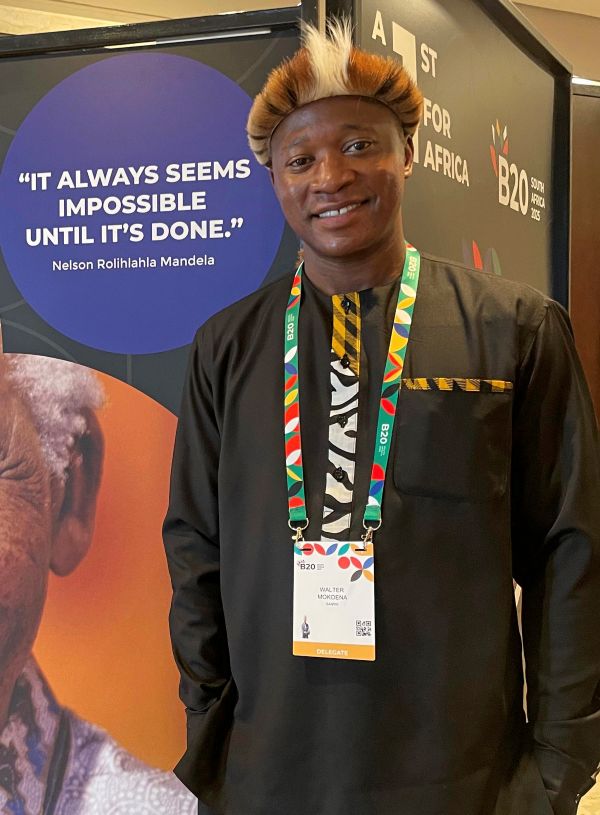
When I returned to South Africa in 2013, I did some work with the National Department of Water and Sanitation (DWS) on some of the projects that they were working on. About three years ago I started working on the plan to hold the first South Africa International Water Week.
What motivated you to start Water Week?
The key thing was to create a platform for private and public water entities to engage and share the space, share ideas and create an amenable environment for cooperation.
I realised that the water sector was a bit too public oriented. Other than just bidding for tenders, private entities did not have a meaningful engagement with government. I saw that as an opportunity to create a platform that would make it easier for public and private water entities to have an easier way to engage with one another.
Then, when you want to attract investment into the sector, the conversation has already started, and you start to build an understanding. It stops being about us and them, so it creates an environment that is conducive for partnerships.
For this inaugural Water Week, how will you measure success?
For us it is to start the conversation about how you create the environment that is conducive for public and private entities to work together.
We have identified a few pillars as part of our programme for the event: for research and development we are partnered with the Water Research Commission and on skills development with the EWSETA.
We are not a solution. We provide a platform for engagement to find these solutions that are so urgently required in South Africa.
To solve all of these challenges we need the latest innovation in many areas but also a policy dialogue that recognises the sector’s urgent needs. President Cyril Ramaphosa has elevated the water topic into a number one focus for the country. He is chairing the Water Crisis Committee.
Success would be to kick-start the conversation that builds a long-term partnership between public and private entities – what is required and how can we work together to find solutions?
We are not a solution. We provide a platform for engagement to find these solutions that are so urgently required in South Africa.
You mentioned two pillars, please expand.
For knowledge management we are partnered with Stellenbosch University and the University of Johannesburg and on the development of policy frameworks we have an understanding with the Department of Water and Sanitation (DWS) that it will participate in the week. For finance and investment, we are engaged with development finance institutions (DFIs) on how they can participate in the week. These are the different layers which we are bringing on board.
Is South Africa a good option for water investment? Where are the opportunities for investors?
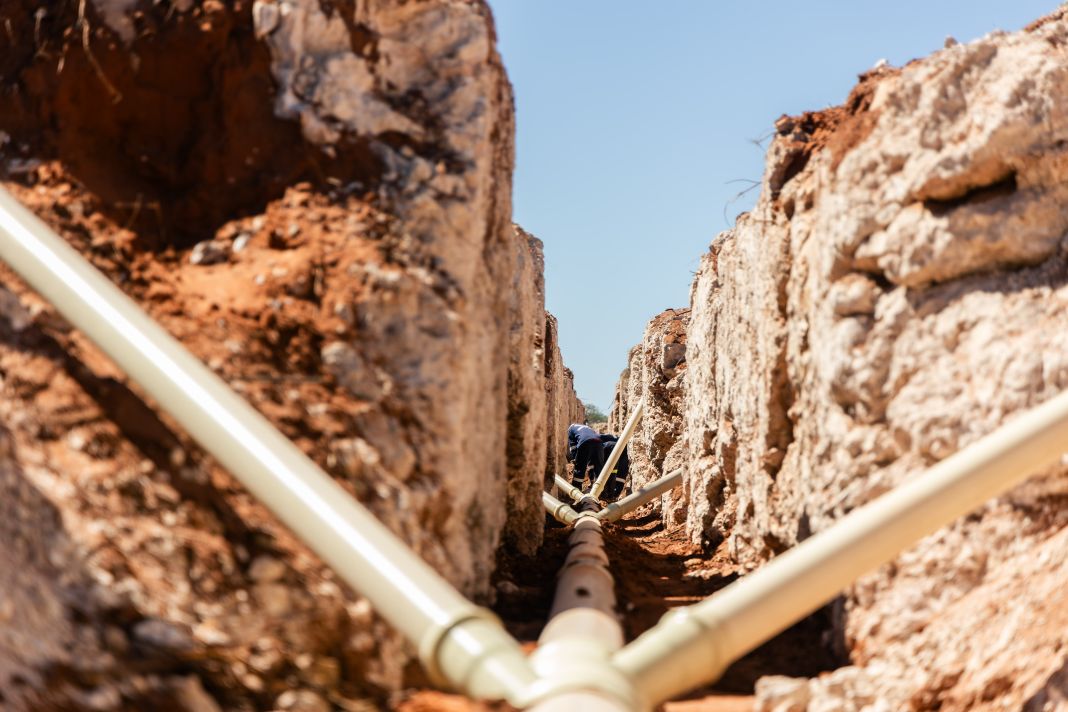
There are many opportunities for investors. The DWS has major projects for the building of water pipelines throughout the country but notably in the Northern Cape’s mining belt. Although the framework for investment is yet to be finalised, there is interest in inviting the private sector to participate. There might be a 20-year or 25-year contract for a concession, after which the facility would be handed back as a public utility.
You need social and economic partners to participate, but they are not going to participate if they don’t see the return. How are they going to achieve those returns on their investment?
Cabinet has approved the setting up of a National Infrastructure Resource Management Agency to create a much stronger balance sheet from which to borrow into the international market and also to attract investment. The agency would become a standalone water entity, a state-owned company similar to how the Trans-Caledon Tunnel Authority (TCTA) has been running. TCTA is a state-owned entity responsible for financing and implementing bulk raw water infrastructure projects.
Do good models exist for PPPs in the water sector?
Yes, certainly, in Durban and Nelspruit there are schemes that are working. And government is finalising a quicker turnaround mechanism for PPPs, especially in the context of the constrained fiscal environment and where you have non-revenue water running at very
high levels.
Sectors such as mining want to partner with government. Operating in water-stressed parts of the country as they are, miners are looking to increase their security of water supply by supporting municipalities which would be another kind of PPP in the making.
There is interest in finding solutions. The private sector is saying if we do not get involved, it will have an impact on our output, but we need a much more amenable and a conducive environment for us to get involved.
What do you aim to achieve with the awards that will be presented?
The awards are to honour outstanding individuals and organisations that have played a critical role in water security and water resource management.
There are many unsung heroes from rural areas, the community-based sector and NGOs. Also there are entities that have come up with exciting and innovative technology, water boards and other major public entities that have played important roles in advancing the sector, so it is to honour the work that has been done by those who have a huge role in making sure that water development and water security continues to be a critical area of development.
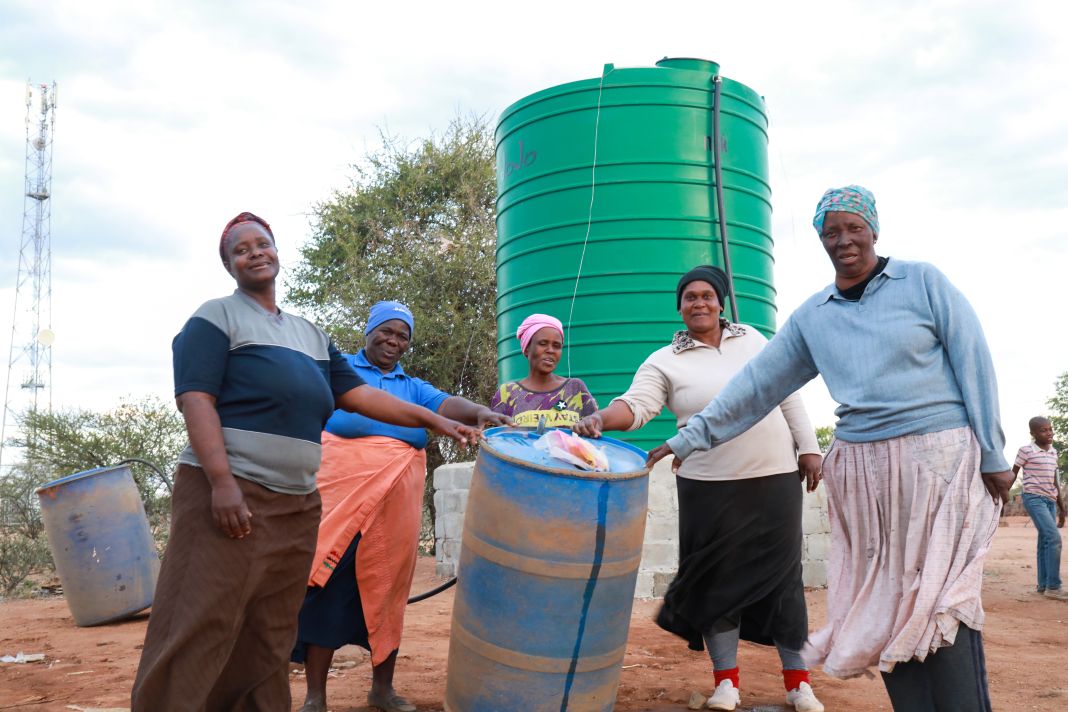
One of our important awards honours people who are playing a role in making sure that rural communities have access to safe water. We also want to encourage youth and promote emerging leadership. We want young people to see the water sector as a valuable career path. We want them to get involved across the board from innovation, technology, knowledge management and water-demand management.
2026 South Africa International Water Week Conference
The Houghton Hotel, Johannesburg
17-19 August 2026
Tel: +27 70 426 4434 | Email: info@saiww.co.za | Website: www.saiww.co.za
#SAIWW2026