

As Africa accelerates its industrialisation agenda under the African Continental Free Trade Area (AfCFTA), automation is emerging as one of the most powerful tools to unlock productivity, competitiveness, and long-term manufacturing growth across the continent.
From robotics, artificial intelligence (AI) to smart factories and digital supply chains, automation is reshaping the future of manufacturing globally and Africa is uniquely positioned to leverage these technologies to build a stronger, more resilient industrial economy.
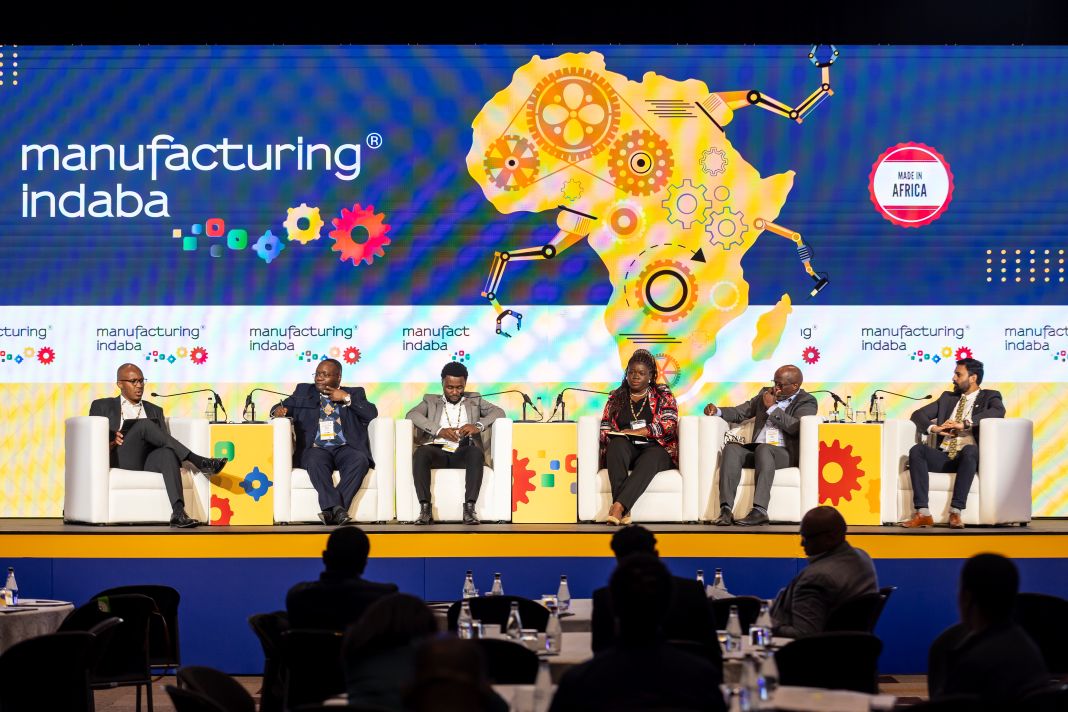
This important topic will form a key part of discussions at the upcoming Manufacturing Indaba 2026, taking place on the 14th–15th July 2026 at the Sandton Convention Centre, JHB. Industry leaders, manufacturers, technology innovators, policymakers, investors, and industrial stakeholders from across the continent will gather to explore how automation and Industry 4.0 technologies can drive Africa’s next phase of industrial growth.
Manufacturers across sectors including automotive, FMCG, mining, pharmaceuticals, agro-processing, packaging, and energy equipment are increasingly recognising the need to modernise operations to remain competitive in both local and international markets. Automation offers African manufacturers the opportunity to increase production efficiency, reduce waste, improve quality control, enhance workplace safety, and address ongoing skills shortages.
According to industry analysts, the global industrial automation market is expected to surpass USD 400 billion within the next decade, while Africa’s manufacturing sector is projected to experience significant growth driven by urbanisation, infrastructure development, population growth, and expanding regional trade opportunities.
Importantly, automation in Africa is not about replacing people, it is about enabling smarter production, creating higher-skilled employment opportunities, and improving industrial capacity. The continent’s young and rapidly growing workforce presents a major opportunity to combine technology adoption with vocational training, technical education, and digital skills development.
From robotics, artificial intelligence (AI) to smart factories and digital supply chains, automation is reshaping the future of manufacturing globally and Africa is uniquely positioned to leverage these technologies to build a stronger, more resilient industrial economy.
The rise of Industry 4.0 technologies is also creating opportunities for African manufacturers to leapfrog outdated systems and implement modern, scalable production models from the outset. Smart sensors, predictive maintenance, cloud computing, industrial AI, and data analytics are already helping businesses improve operational performance while reducing operational costs.
Delegates attending Manufacturing Indaba 2026 will have the opportunity to engage directly with experts and solution providers on topics including AI-driven manufacturing, factory automation, smart logistics, robotics, digital transformation, industrial energy efficiency, workforce skills development, and the future of African manufacturing competitiveness.
However, industry leaders caution that greater collaboration between governments, manufacturers, technology providers, financiers, and educational institutions will be essential to fully unlock the benefits of automation. Investment in infrastructure, reliable energy supply, connectivity, skills development, and supportive industrial policies will play a critical role in accelerating adoption across the continent.
As Africa seeks to position itself as a global manufacturing hub, automation will be central to improving industrial competitiveness, attracting investment, strengthening supply chains, and driving sustainable economic growth.
The future of African manufacturing will belong to industries that embrace innovation, digital transformation, and advanced manufacturing technologies creating smarter factories, stronger economies, and new opportunities for the continent’s industrial future.