


What is a residential solar PV/BES system, and what are the different types of residential solar PV/BES systems?
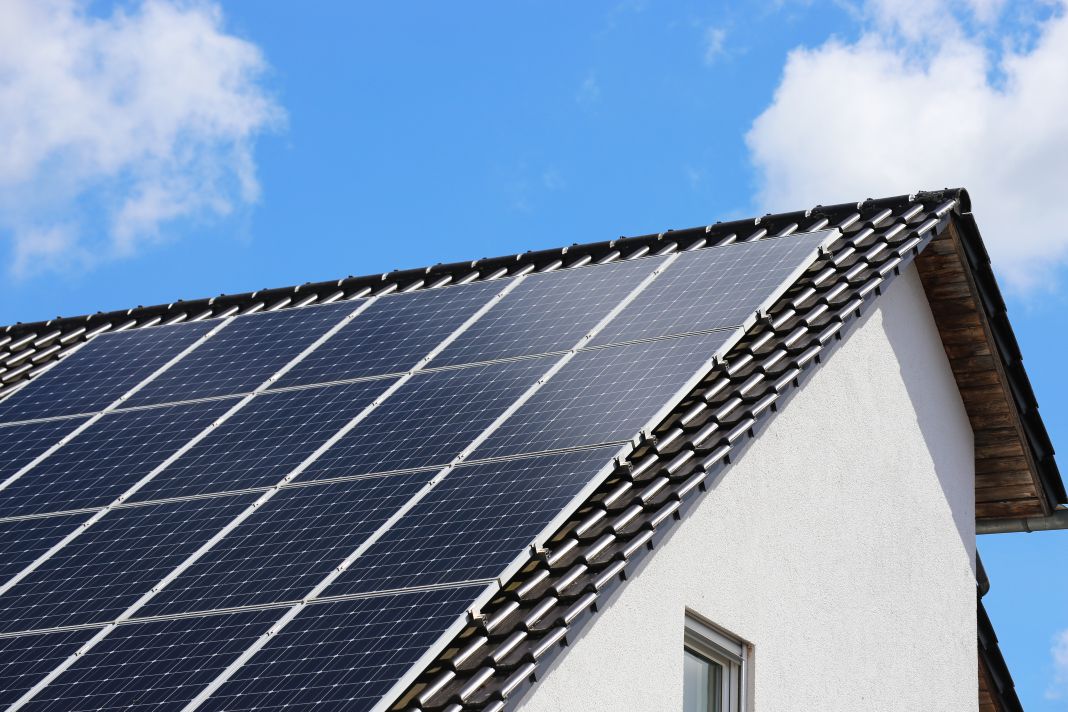
A residential solar photovoltaic (PV) and battery energy storage (BES) system comprises several rooftop-mounted PV panels, an inverter to convert the DC voltage of the solar PV panels to 50Hz AC mains voltage, and a DC BES system connected to the inverter. The solar PV/BES system forms part of the customer’s electrical installation and is connected to the customer’s distribution board on the customer’s premises.
The most common residential solar PV/BES system being installed these days is the grid-tied hybrid system, which may be configured either to be able to import energy from and export excess energy into the distribution network, or to only import energy from the distribution network while blocking exported energy.
What does electrical installation “behind the meter” and a solar PV/BES system connected “behind the meter” mean? And what is “in front of the meter”?
The main electricity meter for a premises, whether a standalone residence, a block of flats or a residential estate/complex, is the property of the electricity distributor – Eskom Distribution or the relevant municipal distributor – and is the point of connection of the customer’s electrical installation to the public distribution network.
The boundary between the public distribution network and the customer’s electrical installation is the customer side of the meter. The public distribution network is referred to as being “in front of the meter”, and the customer’s electrical installation is referred to as being “behind the meter”.
What is the Grid Code and why is it relevant to electrical installations and solar PV/BES systems connected on a customer’s premises?
The Grid Code or the Distribution Network Code is a set of technical rules and requirements approved by the energy regulator, Nersa, governing the performance and operation of Eskom’s transmission grid and the networks of licensed electricity distributors – Eskom Distribution and municipal electricity distributors.
The Code sets rules for connection of customers’ electrical installations to public electricity networks, to ensure system reliability and the safety of network operators in front of the meter. The Code is to ensure that the connection of a particular customer does not create disturbances outside of specified limits that may negatively impact other customers connected to the network.
The Distribution Code is relevant to residential electrical installations and solar PV/BES systems connected behind the meter on a customer’s premises. The customer’s electrical installation must be technically compliant with the Code and must not compromise the safety of network operators in front of the meter. If they do, the electricity distributor may require the customer to attend to and rectify the matter, or to disconnect the offending equipment.
What is the Electricity Regulation Act? Does this Act apply to residential installations and systems?
The Electricity Regulation Act (ERA) refers to national legislation – namely the Electricity Regulation Amendment Act 38 as amended in 2024. The Electricity Regulation Amendment Act 38, 2024, is not applicable to technically compliant and safe SSEG systems of less than 100kW connected behind the meter on a customer’s premises.
This exemption covers the vast majority of residential SSEG systems, and particularly those incorporating solar PV/BES, which are almost invariably less than 100kW, and which must be covered by a valid Certificate of Compliance (CoC) in terms of other national legislation.
What are NRS specifications and are these relevant to residential installations and systems?
National Rationalised Specifications (NRS) are a set of voluntary electricity utility (Eskom and municipal) specifications developed by the NRS Association of South Africa to ensure the reliability and safety of the national electricity grid and public distribution networks.
While originally voluntary, some of these specifications have been made mandatory by Nersa for licensed electricity distributors – namely Eskom Distribution and municipal electricity distributors. Other NRS remain voluntary and may be adopted or adapted by electricity distributors at their discretion.
NRS are utility specifications and not South African National Standards issued following a public participation process, nor are they Compulsory Specifications issued by the National Regulator for Compulsory Specifications (NRCS).
While NRS may be referenced in bilateral contacts, electricity supply agreements and standard conditions of supply with electricity customers, such references to NRS must be aligned with national legislation, the OHS Act, EIR, SANS 10142-1, standards referenced in SANS 10142-1 and CoC, and may not supersede these or establish a separate/parallel safety or compliance regime.
NRS is applicable to the networks of electricity utilities such as Eskom Distribution and municipal electricity distributors and is not applicable to residential electrical installations and solar PV/BES systems connected behind the meter on a customer’s premises.
Is Nersa, Eskom or the relevant municipality/municipal electricity distributor the safety regulator for residential electrical installations systems and, if not, who is the relevant regulator for this?
None of these is the safety regulator for installations on a customer’s premises. The relevant safety regulator is the chief inspector of the Department of Employment and Labour.
Is Eskom entitled to fine a residential customer who does not register their solar PV/BES system with Eskom before connecting it to the customer’s distribution board?
As a company registered in terms of the Companies Act, Eskom has no statutory authority to fine a residential customer who does not register its solar PV/BES system with Eskom before connecting it to the customer’s distribution board installed behind the meter on a customer’s premises.
When is Eskom or a municipal electricity distributor/network operator entitled to cut electricity supply to a residential customer?
In certain circumstances defined in ERA, and after following due process, Eskom or municipal electricity distributors may cut electricity supply to a residential customer. These circumstances include failure to pay for electricity used; bypassing or tampering with the electricity meter; fraudulent use of counterfeit prepaid electricity tokens issued by illegal “ghost vendors”; the customer being declared insolvent by the courts or a material breach of a lawful electricity supply agreement, connection agreement or condition of supply with the electricity distributor.
In my view, cutting electricity supply to a law-abiding and paying electricity customer for failing to register a technically compliant and safe solar PV/BES system that has a valid CoC as proof of technical and safety compliance, would be overstepping the lawful authority of the electricity distributor.
Do you think that Eskom Distribution and municipal electricity distributors have valid reasons for requiring the registration of residential solar PV/BES systems?
Eskom Distribution and municipal electricity distributors regularly cite concerns for the safety of their network operators due to solar PV/BES systems connected behind the meter on a customer’s premises. I do not believe that such concerns are borne out in practice. Such concerns are adequately addressed by the existing mandatory requirement of
a valid CoC as proof of technical and safety compliance for the customer’s electrical installation and solar PV/BES system. In my view, additional manual registration of a residential solar PV/BES system having a valid CoC does not provide additional safety benefits to network operators in front of the meter.
Another reason regularly cited for registration of residential solar PV/BES systems is for the System Operator to know how much solar PV/BES capacity is out there to manage network performance and stability. In principle, I personally do not have a problem with registration of residential solar PV/BES systems if this is a simple administrative process.
However, the current manual registration process is inadequate, inaccurate and inappropriate for the System Operator to manage network performance and stability. There are far better, more accurate and more informed alternatives to manual registration – such as satellite surveillance down to the household and street level – that should be used for the needs of the System Operator in this regard.
I have a problem when registration of residential solar PV/BES systems is used as the guise under which residential customers are forced to pay significant unnecessary additional compliance costs, and forced to migrate to expensive post-paid electricity meters and complex time-of-use tariffs with in significantly higher fixed monthly costs and higher variable energy rates.
Questions for OUTA
What is the Organisation Undoing Tax Abuse’s (OUTA) advice in respect of registration of residential solar PV/BES installations on a customer’s premises?
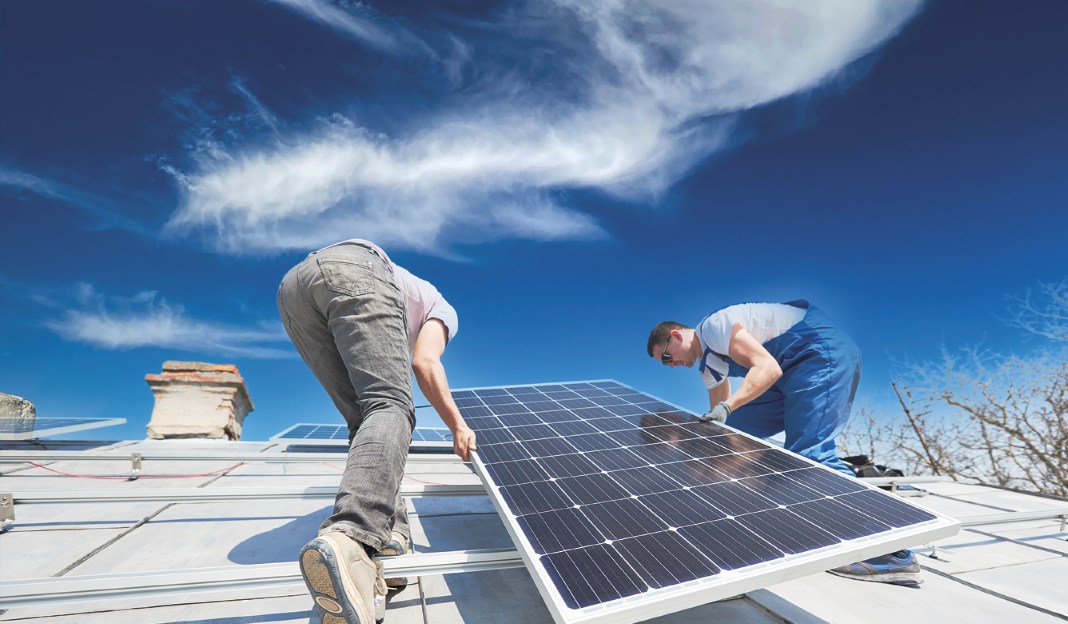
Our advice to homeowners and residential customers with solar PV/BES systems on their premises, or planning to install such systems, is to ensure that you use accredited installers, and that the installed system is provided with a valid CoC issued by an official installation electrician/electrical contractor registered with the Department of Employment
and Labour, as lawful proof of technical and safety compliance.
It is our view that a residential homeowner/electricity customer with a solar PV/BES system and a valid CoC, that is configured to block excess energy exported into the distribution network, or does not want to be compensated for energy exported into the distribution network, may choose to forgo the registration requirements of Eskom and some municipal electricity distributors and ignore such threats.
Where a residential homeowner/electricity customer has a solar PV/BES system with a valid CoC that is configured to both import energy from and export excess energy into the distribution network, and/or the customer wants to be compensated for the exported energy, then the solar PV/BES system should be registered with the electricity distributor.
If a law-abiding customer with a valid CoC for their electrical installation and solar PV/BES system receives formal notice of intention by the electricity distributor to cut electricity supply, then we recommend that the customer should take legal advice and oppose this.
Is OUTA being “soft on safety” by recommending that residential customers may forgo registration of residential solar PV/BES with Eskom Distribution or the relevant municipal electrical distributor?
No, OUTA is certainly not soft on safety. Safety must be top of mind both behind the meter on a customer’s premises, as well as in front of the meter for network operators. That is why OUTA strongly supports the mandatory statutory requirements of a valid CoC issued in terms of the OHS Act and EIR as proof of technical and safety compliance for a low-voltage electrical installation and solar PV/BES system connected
behind the meter on a customer’s premises.