
South Africans respond to crises. Just a few years ago, electricity blackouts threatened the country’s economic and social fabric but there has been a marked
turnaround in terms of public policy and private generation. A renewed focus on local transport and logistics challenges, particularly rail networks, is also showing promise for recovery.
Water is next on the list. During 2025, South African President Cyril Ramaphosa said, “Loadshedding has been supplanted by the crisis of water security, which poses a similar if not greater threat to the quality of life and economic prospects of all South Africans.”
Deputy President Paul Mashatile has been leading those efforts, telling delegates of the Association of Water and Sanitation Institutions of South Africa (AWSISA) that “as leaders and changemakers, it is imperative to dedicate ourselves to developing sustainable solutions that guarantee universal access to clean water and sanitation”.
Closing the taps on water waste
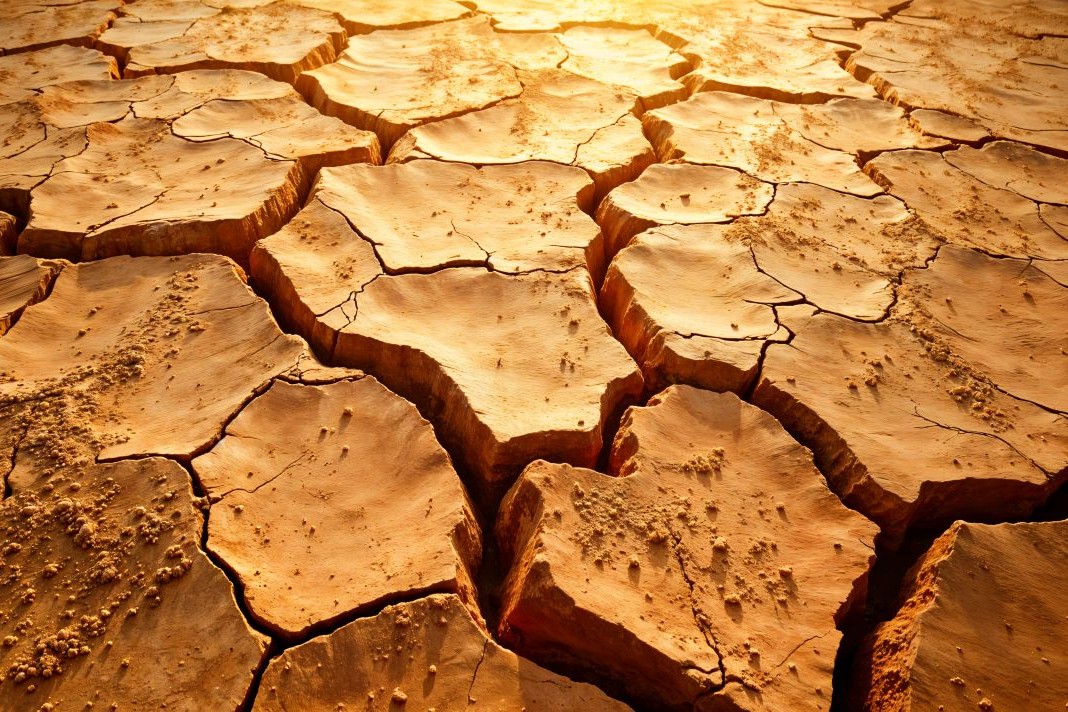
This focus is timely. George Municipality in the Western Cape has been facing serious water constraints, with some worrying it will reach a “Day Zero” of no reliable supply, echoing a situation that brought Cape Town to the brink in 2018.
South Africa is a water-stressed country, averaging an annual rainfall of 497mm (to compare, continental Europe’s annual average is over 800mm). The country has allocated practically all of its strategic water resources and many of those aquifers, rivers and wetlands are under serious distress from pollution and overuse.
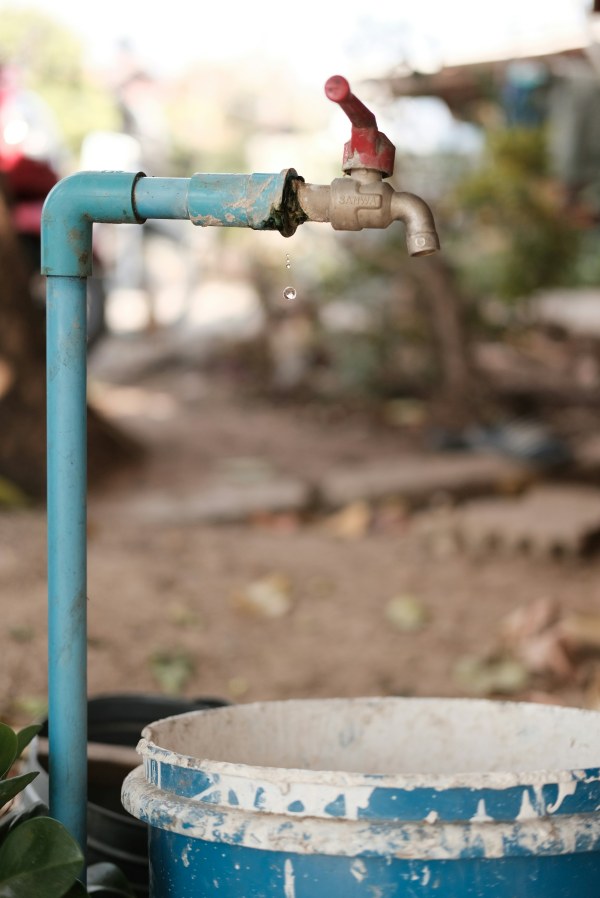
Local infrastructure problems add to the situation. Deputy President Mashatile noted that national water reliability is only at 68% and water quality is declining in 60% of water supply systems.
The Academy of Science of South Africa (ASSAf) estimates that between three-million and 14-million South Africans do not have reliable access to potable water. By 2030, the country could face a 17% water deficit, according to the Department of Water and Sanitation.
A multitude of factors heightened the urgency of the situation, including high levels of non-revenue water (lost through leaks or theft before recouping treatment and piping costs), old water infrastructure and technical and governance shortfalls. Climate change compounds the situation, causing droughts, floods and heatwaves.
Responding to the water crisis
A water crisis looms in South Africa. But the country can mobilise in a crisis, as shown by responses to electricity shortages. Solar installations grew by double digits in the past few years, with private solar installations blossoming to an incredible seven gigawatts, helping make South Africa one of the fastest-growing solar markets in Africa.
The same momentum can tackle water challenges, says Chetan Mistry, Strategy and Marketing Manager at Xylem, Water Solutions and Services, Africa, Middle East, Turkey and India.
“There is growing uptake of water resilience among private households, schools, businesses and public services. It’s reflecting what we see in the solar market, where many individual efforts can combine into a national trend that really gets meaningful results.”
Mistry provides several examples of how South Africans are taking these steps:
- Rainwater harvesting: Capture tanks connected to rooftops are collecting huge water volumes, used for irrigation and cleaning and even consumption when combined with disinfection systems.
- Private water treatment: Companies that rely on water (including farms, mines, chemical and food and beverage entities) use scalable water treatment systems such as ultraviolet light and dissolved air flotation to treat and recycle water.
- Smart leak detection: Field engineers speed up leak detection and prevention in pipelines of all diameters with technologies such as sonar and electromagnetism.
- Data-driven management: A growing number of municipalities are using smart meters to improve revenues and reduce water wastage through real-time monitoring, fault detection and accurate consumer billing.
Other examples include public water education and stewardship, improved wastewater systems and water-source rehabilitation.
South Africa is facing a water crisis. But it has options, many of which are already making a difference. Just as the country tackled energy shortages, South Africa has the means to address water issues through minor and major actions that can happen on national, local, business and individual levels. As Deputy President Paul Mashatile told the AWSISA audience, “Together, we have the power to make a difference. Together, we can build a future where water is not a privilege, but a fundamental human right for all.”
That momentum is already gathering pace and 2026 could be the year we shift water from crisis to resilience.
About Xylem
Xylem (XYL) is a Fortune 500 water-solutions company that empowers customers and communities to build a more water-secure world. The company’s 23 000 employees delivered revenue of $8.6-billion in 2024, optimising water and resource management with innovation and expertise. Find out more at www.xylem.com.