
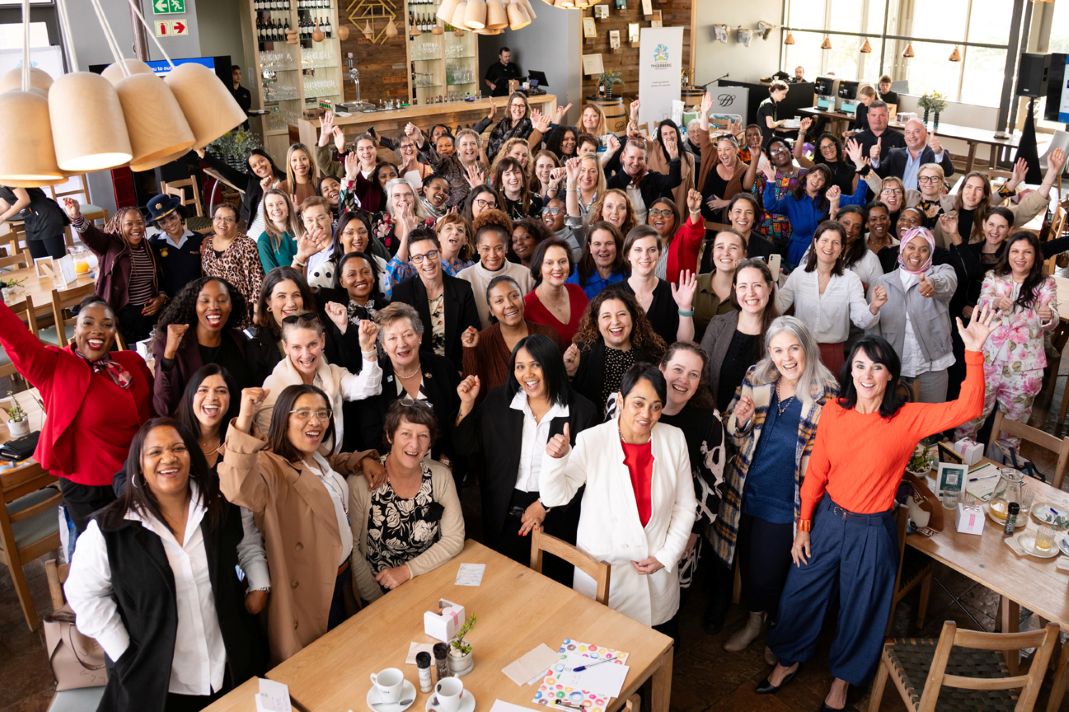
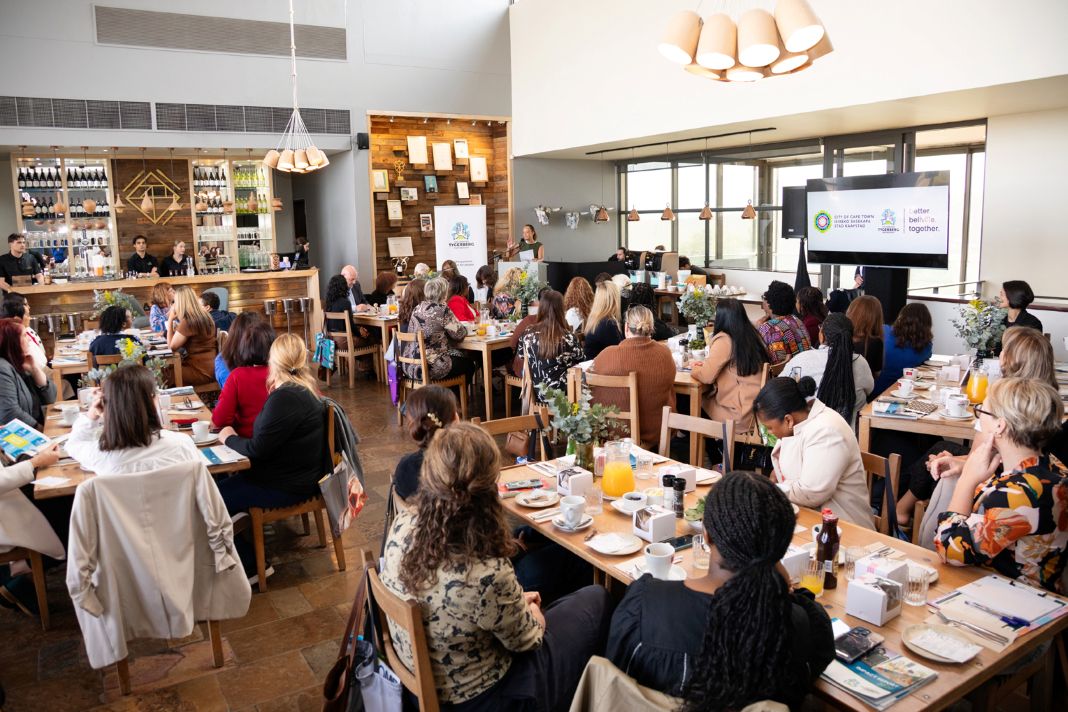
What happens when more than 90 women with influence across corporate, SMME, government, community, diplomacy and the broader economy come together in one room to think about what they would change?
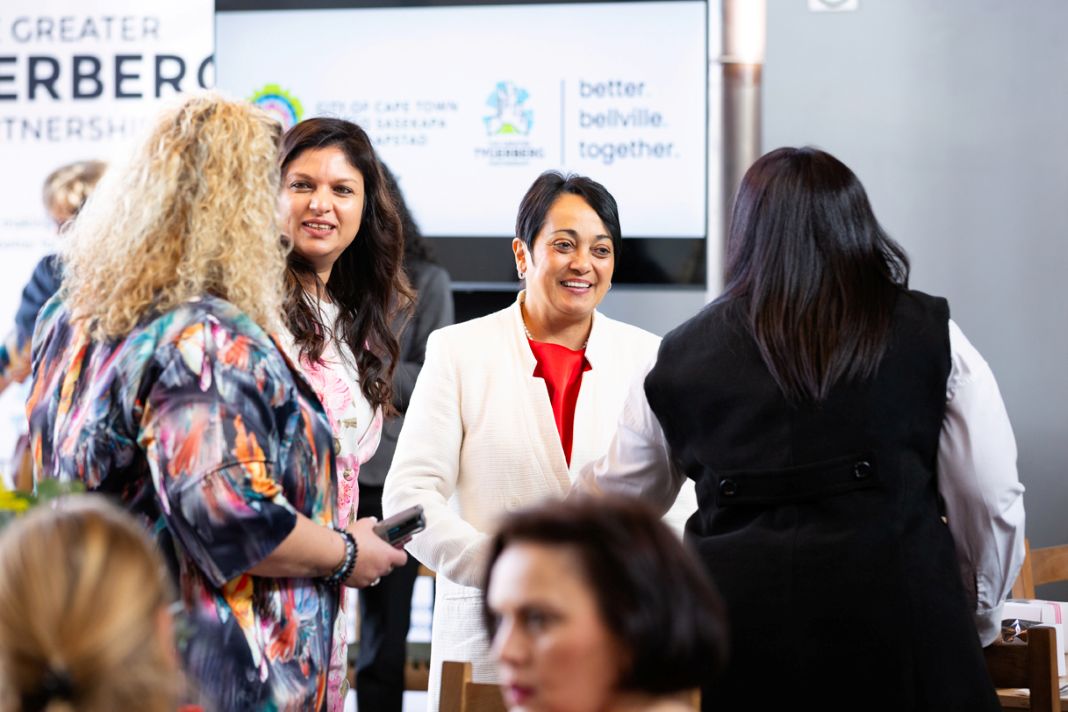
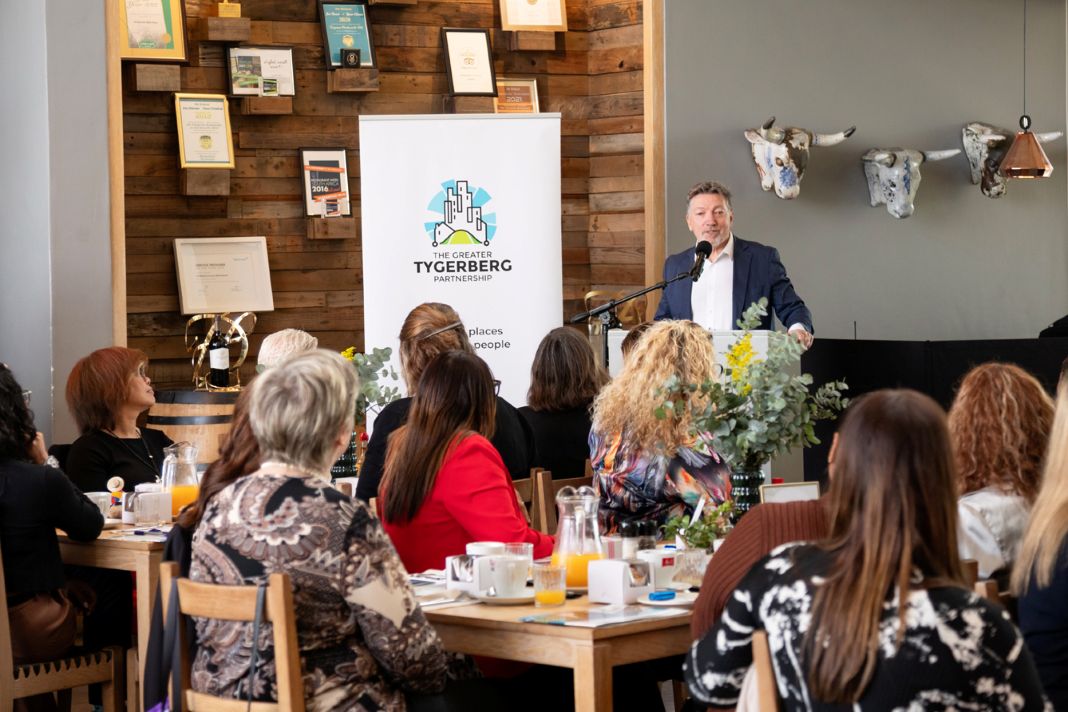
That was the question at the heart of the Greater Tygerberg Partnership’s (GTP) inaugural The Future of Cities Is Female Breakfast 2026, held at Durbanville Hills Wine Estate on Friday, 11 September under the theme: Women Shaping Cities, cultivating ideas, leadership, and the belief that better cities are built together.
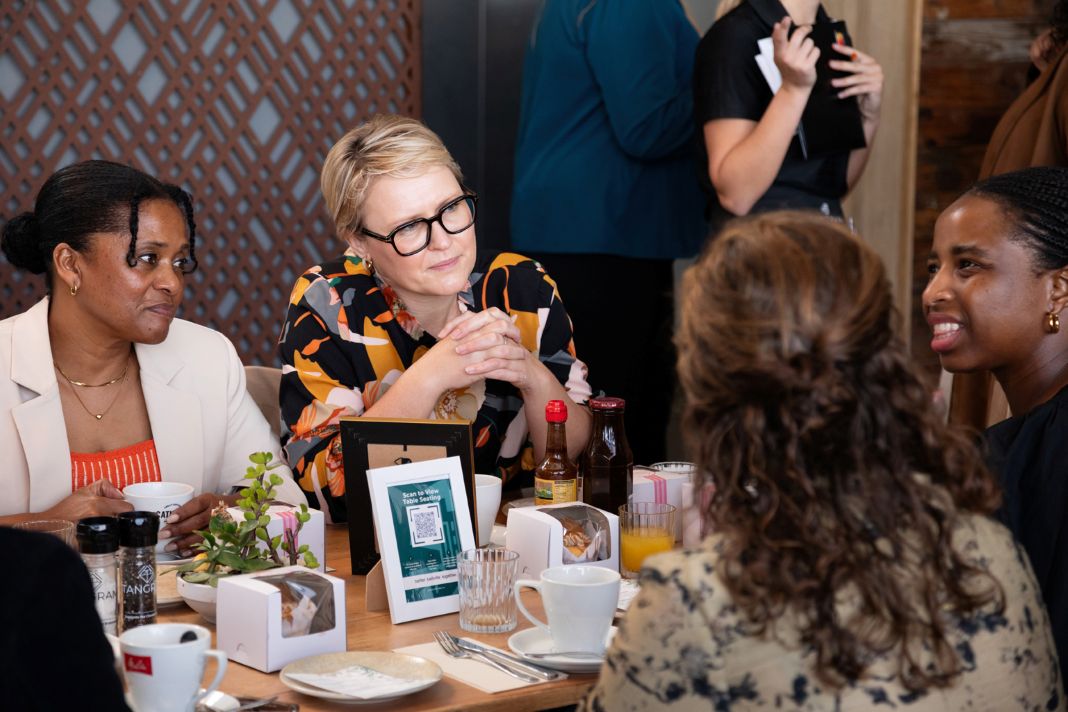
It was a morning that moved quickly beyond the familiar language of women’s empowerment. The conversation centred around economic participation, influence, access, leadership and, ultimately, what becomes possible when women stop operating in silos and start using their collective power to work together.
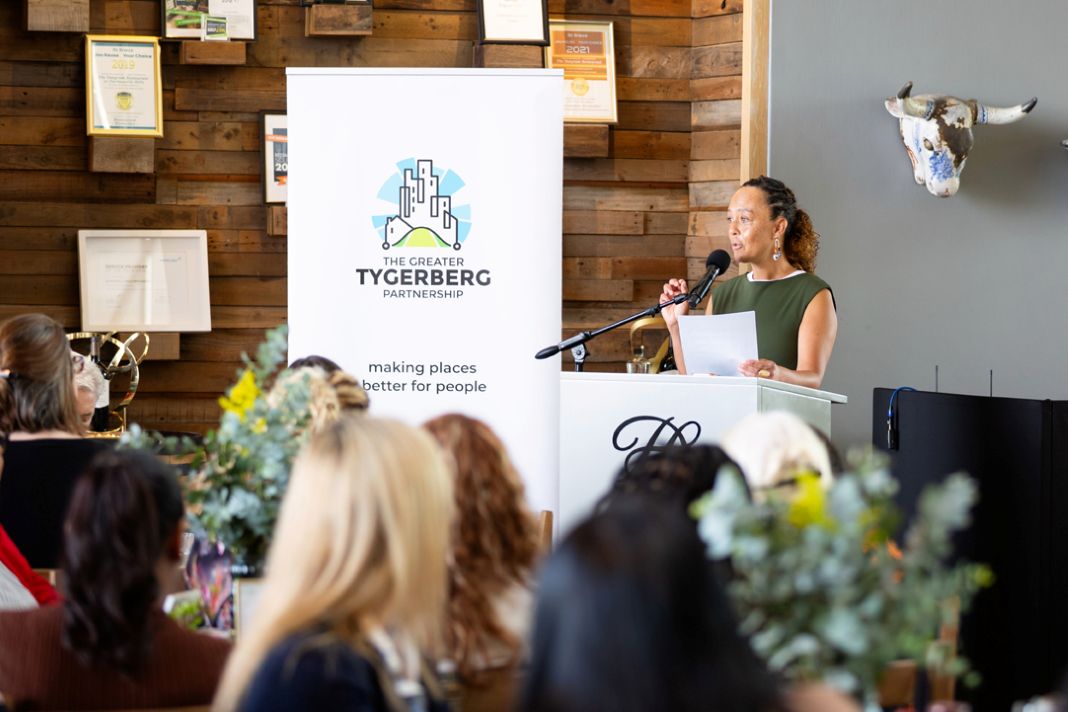
Guiding the programme was MC Nicole Biondi, impact experience designer, systems change practitioner and facilitator, who created space for a conversation that was as much about the future of South Africa, it was about the women shaping a better Bellville, in the Northern Suburbs of Cape Town.
The future of better cities will not be shaped by one sector, one institution or one leader but together by people willing to cross boundaries, share influence and turn relationships into action.
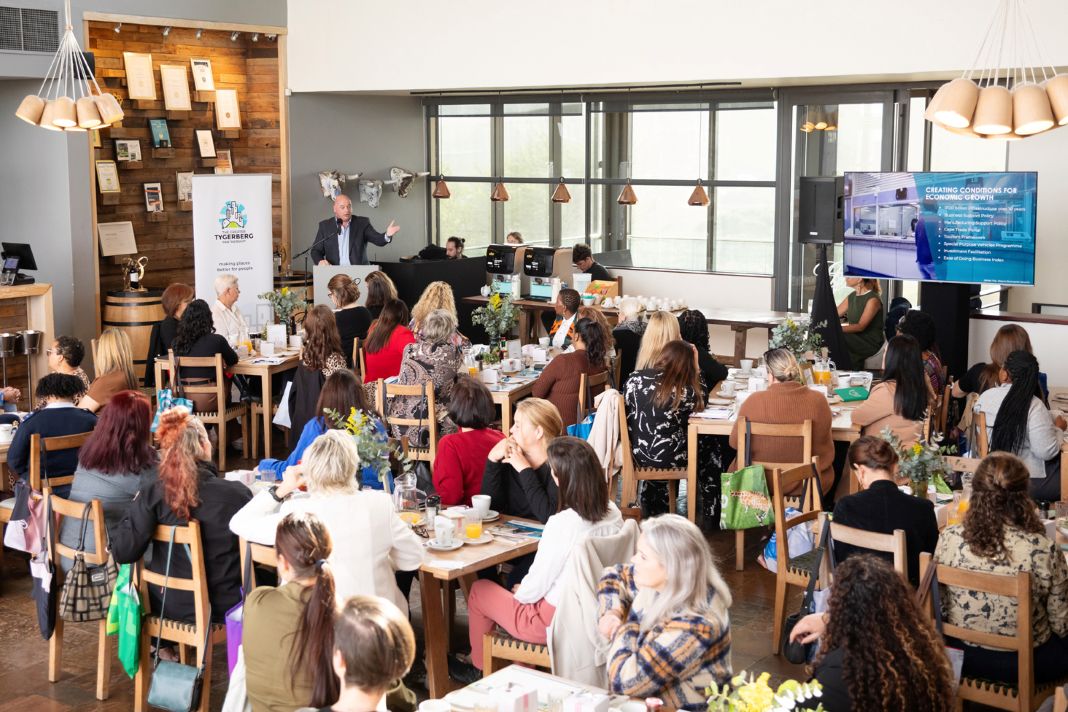
Opening the economic conversation, Alderman James Vos, Mayoral Committee Member for Economic Growth, challenged the room to look at women’s leadership through an economic lens. Women are not simply beneficiaries of economic growth, he argued but are building businesses, creating jobs, driving innovation and increasingly shaping the sectors that will define Cape Town’s future.
From biotechnology and advanced technology to tourism and manufacturing, the question is no longer whether women belong in the industries of tomorrow, but whether they are being given the access and opportunity to build them.
That same idea of agency came through in the keynote and fireside conversation with Lee-Anne Singer, who challenged leaders to think differently about their relationship with the cities they inhabit.
“You can’t be a custodian of a city you’ve never explored,” she told the room, calling for businesses and their employees to become tourists in their own city and for greater attention to domestic travellers, local businesses and the experiences that make places meaningful.
The conversation then shifted from the city itself to the people with the power to influence its trajectory. For Nasmera Buckus, COO of GTP and founder of the Northern Collective, the answer is not another networking group, but a platform where experience, relationships, knowledge and influence can be deliberately connected. The Northern Collective was created from a simple observation that many women are already doing extraordinary work, but too often in isolation.
Dr Shirley Zinn, a key member of the Northern Collective, reinforced this point, describing it as a shift from simply bringing accomplished women into the same room to connecting their influence in ways that can create collective impact.
The R10-million challenge
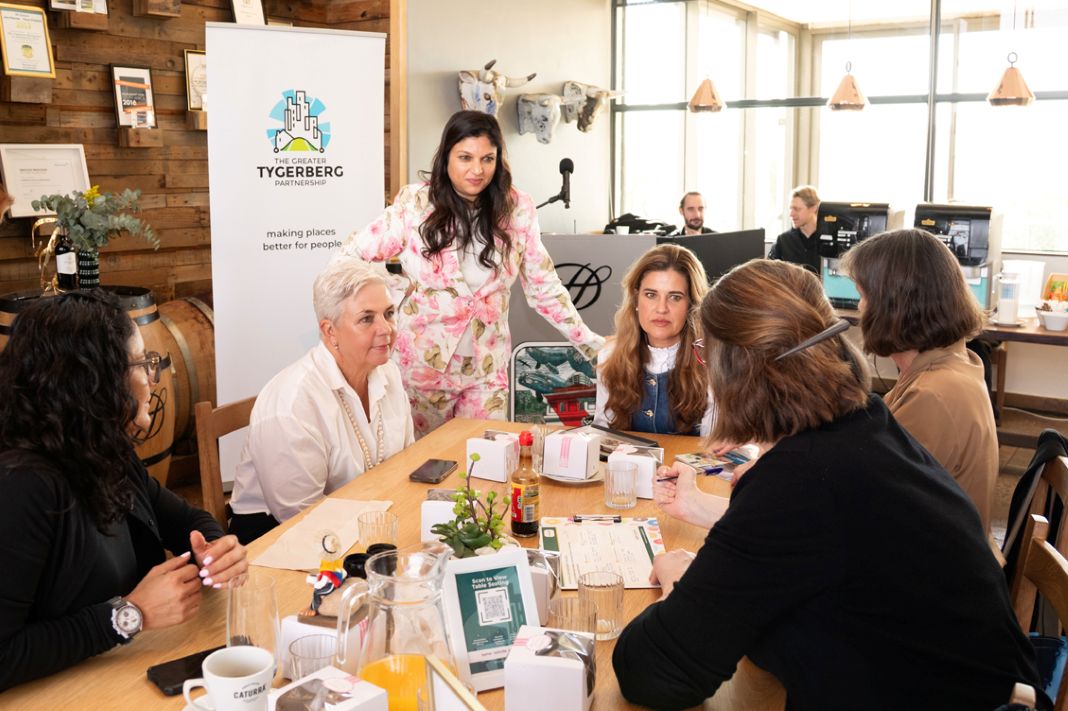
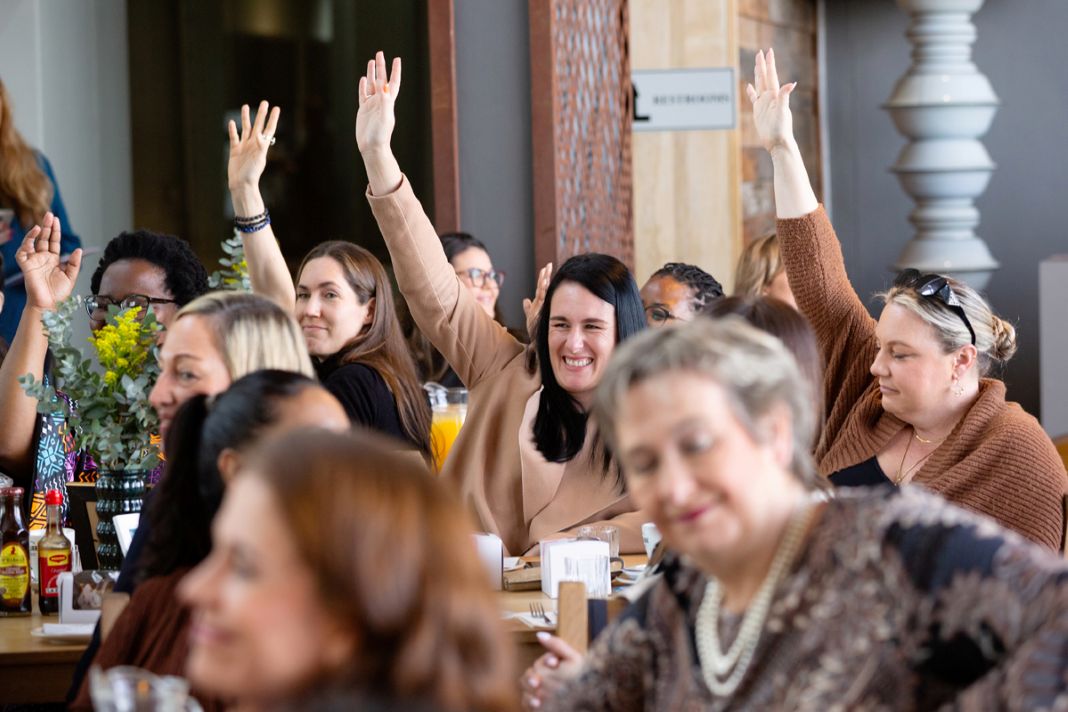
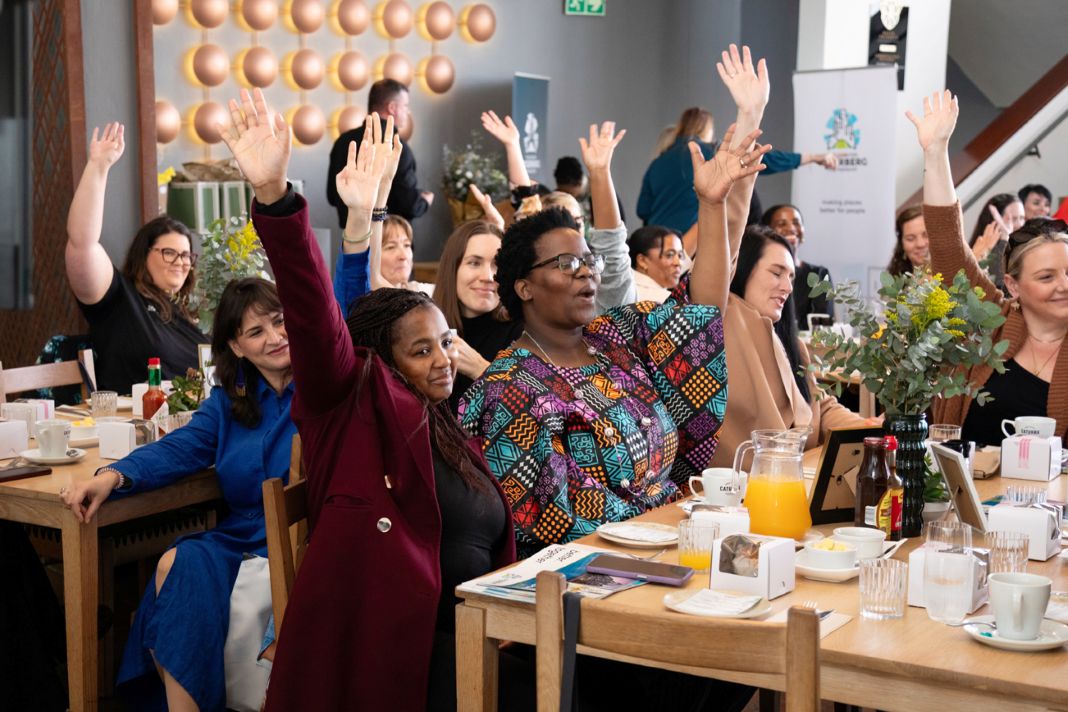
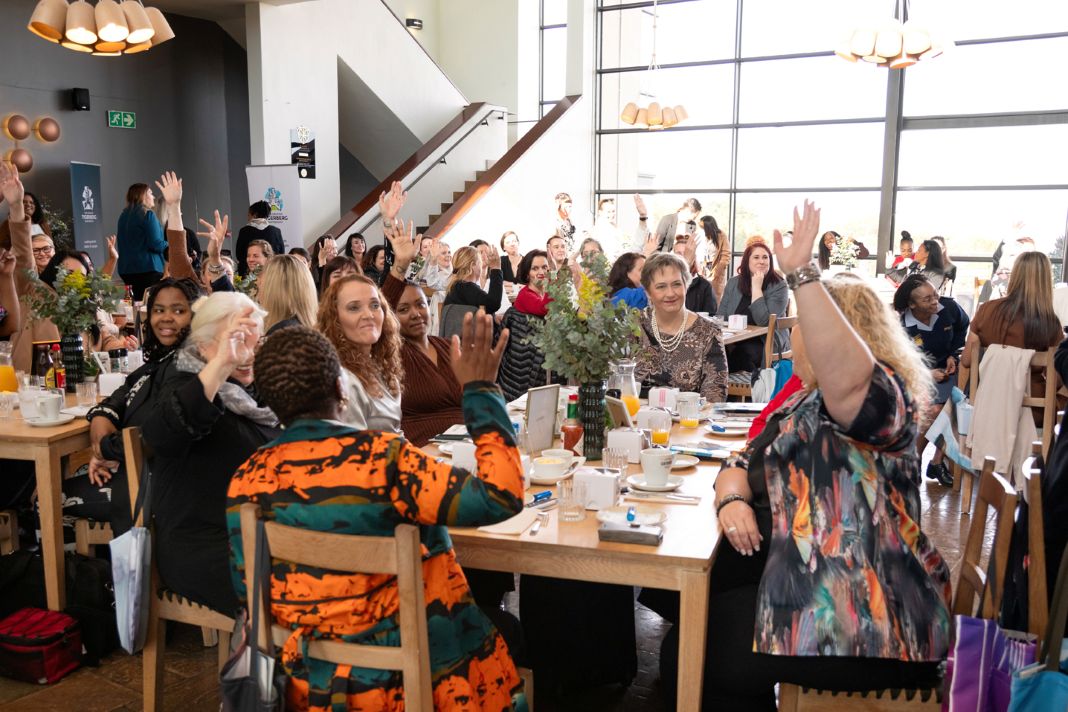
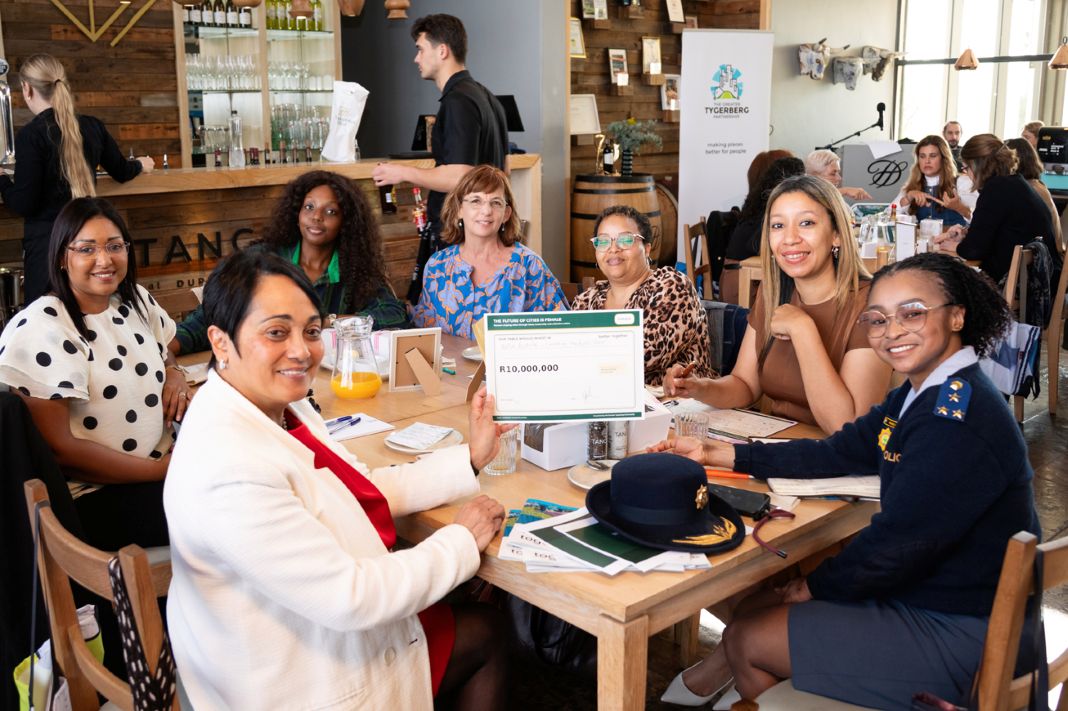
Rather than ending with another panel discussion or a collection of inspirational soundbites, Nasmera Buckus from GTP put a hypothetical R10-million on the table and asked guests a deceptively simple question. If they had R10-million in seed funding to help change the trajectory of Cape Town – Bellville, what would they invest it in first?
The women were tasked with turning their ideas into collective priorities before providing their feedback. It was a fitting conclusion to a morning centred on collective influence.
“The point was never simply to celebrate women already sitting at the table but to ask what they could do with the influence, expertise, networks and resources they already hold. Leadership is not only about what we achieve individually but also about what we make possible for others. Moving from individual impact to collective momentum is at the heart of Northern Collective,” adds Buckus.
The future of better cities will not be shaped by one sector, one institution or one leader but together by people willing to cross boundaries, share influence and turn relationships into action. If the energy in the room at Durbanville Hills was anything to go by, women are not waiting to be invited to the table, but are already taking steps together to shape it.
For more information about GTP and the Northern Collective, email: nasmera.buckus@gtp.org.za.



All photos credit GTP
About the Greater Tygerberg Partnership (GTP)
The Greater Tygerberg Partnership (GTP) is a development facilitation agency charged with a mandate to unlock Bellville’s potential as a sustainable, prosperous, and inclusive leading African city. Established as an independent not-for-profit company in 2012, GTP is mandated to promote and accelerate the regeneration and upliftment of Bellville and surrounding areas, to drive its future as a prosperous, successful and attractive commercial centre for business owners, and a vibrant, inclusive, safe and modern hub for residents, students and the general public.