
Gauteng’s economic scale, continental trade reach, Africa-facing companies and specialist industrial platforms make it a practical base from which to produce, finance, invest and grow across Africa. The Gauteng Growth and Development Agency (GGDA) is turning those strengths into investment, trade and expansion opportunities.
Economic weight with continental relevance
At R2.44-trillion, Gauteng generates 33.2% of South Africa’s GDP from less than 2% of its land area. The province concentrates corporate decision-making, financial and advanced business services, manufacturing, research institutions and public-sector capability.
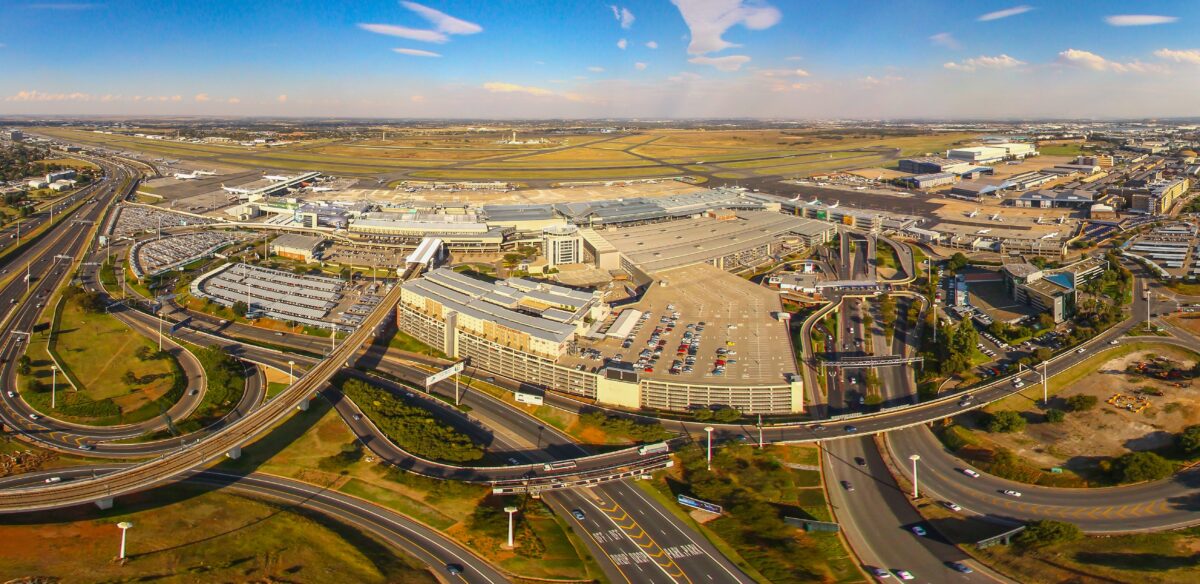
Johannesburg is the country’s financial and corporate centre. Tshwane combines the national administrative capital with automotive production, research and innovation. Ekurhuleni anchors manufacturing and logistics around OR Tambo International Airport. City Deep, major road and rail corridors, universities and technical institutions connect capital, skills, technology and distribution.
A continental trade position built on industrial demand
From 2021 to 2025, Gauteng exported R1.526-trillion in goods to African markets and imported R480.6-billion from the continent. The resulting R1.045-trillion trade surplus reflects the province’s role as a major supplier of industrial and manufactured goods into African markets. In 2025 alone, exports reached R341-billion, while imports were R93.5-billion.
The export basket shows industrial depth, with the following amounts generated:
- Mineral fuels and oils: R223.7-billion
- Machinery: R215.4-billion
- Iron and steel: R119.1-billion
- Vehicles and components: R101.5-billion
- Ores and slag: R85.3-billion
- Electrical equipment: R84.3-billion
Gauteng is therefore a two-way industrial node, supplying equipment and manufactured goods while drawing African inputs into processing, distribution and finance.
Gauteng companies are already investing across Africa
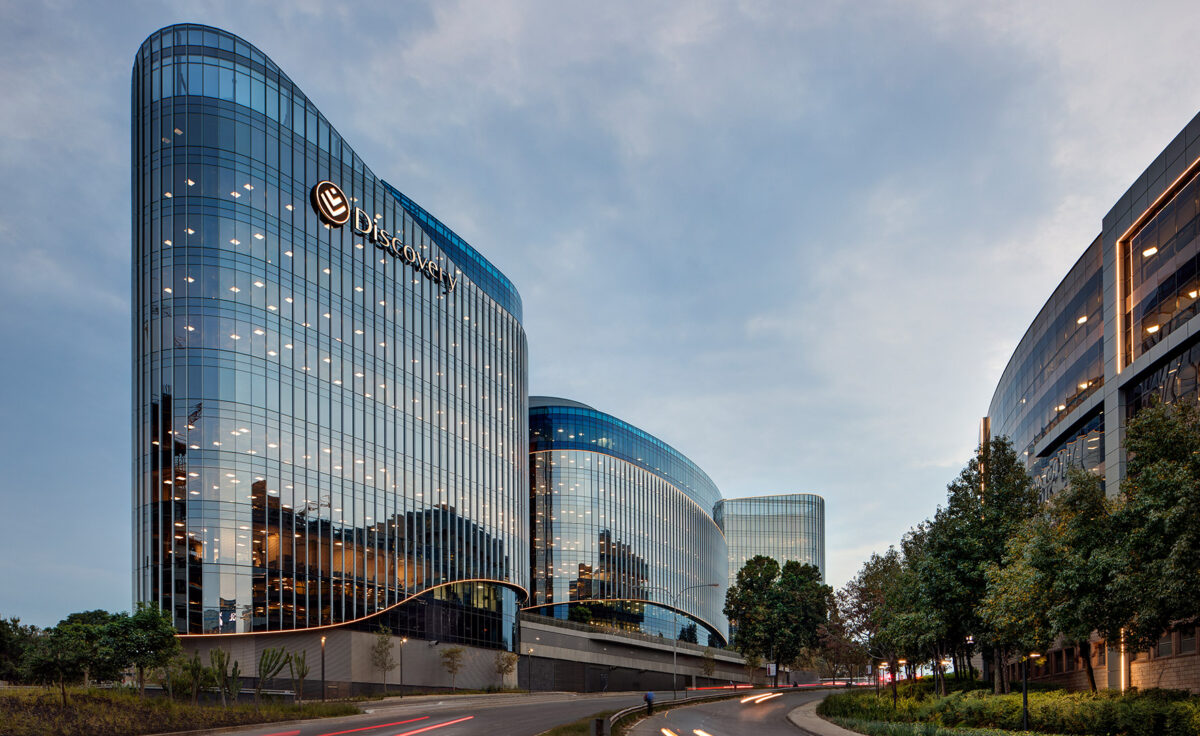
Gauteng’s continental position is also evident in the capital deployed by companies based in the province. In 2025, project-level FDI data recorded 11 Gauteng-origin projects across seven African markets, with R1.71-billion in announced investment and 1 829 projected jobs. Notable projects include Mureza Auto Company’s R1.01-billion project in Zimbabwe, BUI’s R96.7-million technical support centre in Kenya, Jones & Wagener’s R176.8-million project in Namibia and Hollard’s R68.7-million expansion in Ghana. The evidence shows that Gauteng is already a base for financing, designing, serving and managing African growth.
Industrial platforms that convert access into production
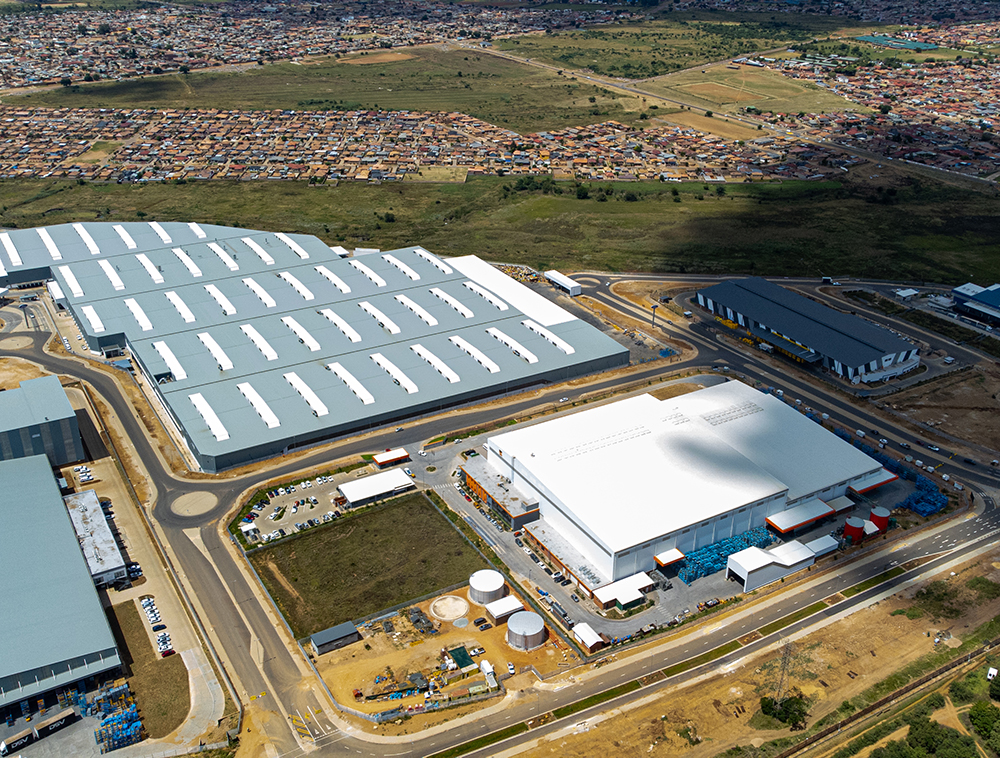
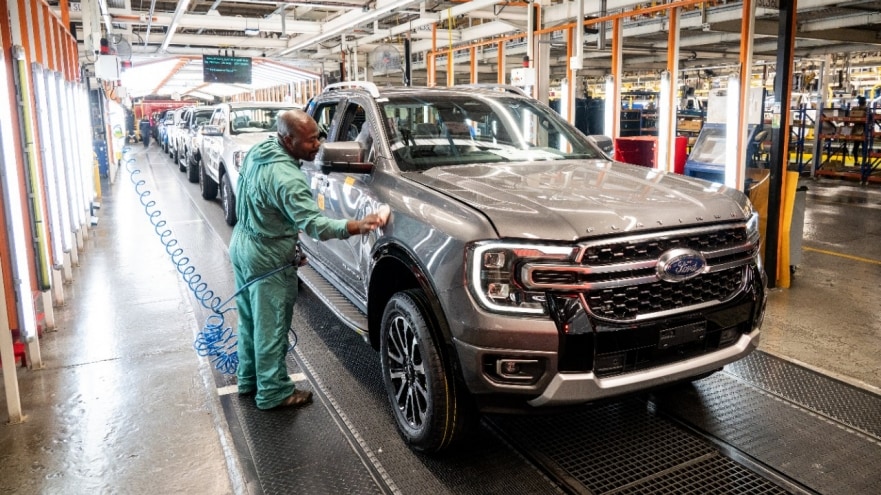
Specialised platforms connect investors with industrial sites and supplier networks. At the Tshwane Automotive Special Economic Zone, 12 investments worth R5.76-billion were operational by June 2026, while Phase 2 bulk infrastructure was under development. The Automotive Supplier Park adds component-manufacturing capability close to major vehicle producers.
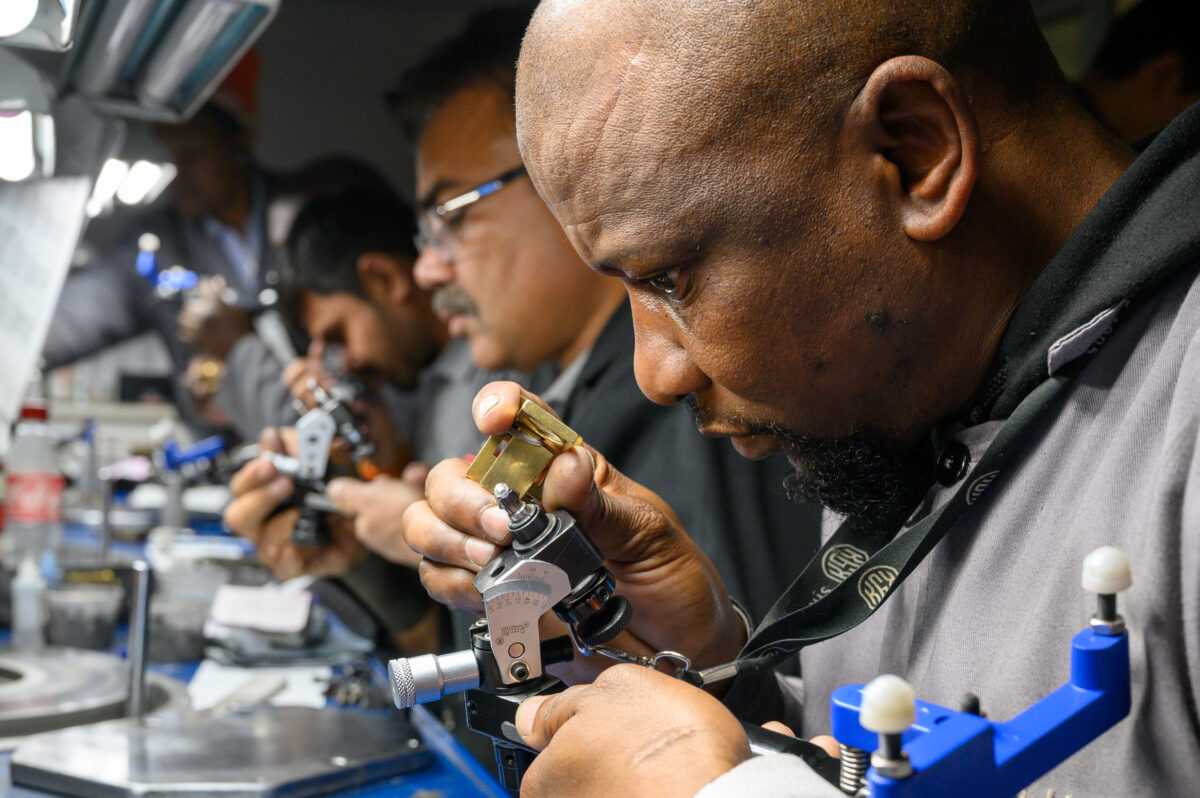
The OR Tambo Special Economic Zone links export production to Sub-Saharan Africa’s busiest aviation gateway. Precinct 1 has R1.1-billion in private investment commitments and more than 2 500 operational jobs, including a food-processing facility and Africa’s first Jewellery Manufacturing Precinct. The Vaal Special Economic Zone is being developed for green energy and hydrogen, agro-processing, logistics and manufacturing. The Innovation Hub supports digital technologies, biosciences and the green economy.
GGDA delivery: from proposition to transaction
GGDA’s role is visible through the Gauteng Investment Conference. The inaugural 2025 conference secured R312.5-billion in pledges and the 2026 edition added R205.6-billion, taking the two-year total to R518.1-billion. Of the 60 projects pledged in 2025, 18 projects valued at R81.9-billion are classified as implemented. Six projects worth R47-billion are near conversion, while 16 projects worth R133-billion are targeted for conversion over the next 12 months.
This represents a 30% conversion rate by project count and 26.2% by pledge value. GGDA supports that pipeline through market intelligence, site selection, industrial platforms, the provincial One-Stop Shop, supplier identification and investor aftercare. In 2024/25, it also facilitated R8.6-billion in trade deals and matched 68 expansion opportunities with Gauteng City Region companies. This gives African firms an entry point into Gauteng and helps Gauteng firms build partnerships across the continent.
AfCFTA: from trade corridors to African value chains
South Africa began preferential trading under AfCFTA in January 2024. By February 2026, R2.6-billion in trade had been recorded under AfCFTA terms across mining equipment, appliances, food, apparel, plastics and electrical machinery, demonstrating early commercial use.
For Gauteng, the task is to convert this market access into export pipelines, co-manufacturing, supplier networks and investable value chains in automotive, mining equipment, agro-processing, pharmaceuticals, energy equipment, financial technology and digital services.
An invitation to build from Gauteng into Africa
GGDA invites African investment promotion agencies, manufacturers, financiers, logistics companies and technology partners to bring investable projects into this platform. Investors can engage GGDA to assess the market, identify a location, establish an operation, connect with suppliers and partners, and build an export pathway. Gauteng companies can work with GGDA to diversify into new African markets and develop partnerships that share capability across borders.