
The South African Association of Public Administration and Management (SAAPAM), Eastern Cape Chapter, in partnership with the Amathole Economic Development Agency (ASPIRE), University of Fort Hare, iYunivesithi iWalter Sisulu and Nelson Mandela University, has successfully concluded its two-day 1st Open Conference, hosted at the University of Fort Hare.
Held under the theme “Rethinking Governance for Africa’s Transformation: Homegrown Systems for Contemporary Challenges,” was graced by senior government leaders, academics, public-sector practitioners, development agencies, researchers, business representatives and other stakeholders to reflect on the role of governance and public administration in advancing Africa’s transformation.
The conference comes at a critical time when African countries continue to confront complex development challenges, including institutional capacity constraints, unemployment, inequality, poverty, service-delivery pressures, economic uncertainty and the need to strengthen public institutions.
At the heart of the conference was a call for Africa to develop and strengthen homegrown governance systems that are responsive to its unique historical, socio-economic and institutional realities. Participants emphasised that sustainable development requires approaches that draw not only from international experience, but also from African knowledge, local institutions, communities, research and lived realities.
The conference highlighted the critical relationship between effective governance and socio-economic development. Participants agreed that strong, ethical and capable institutions are fundamental to effective planning, policy implementation, accountability, investment attraction, infrastructure development, job creation and inclusive economic participation.
Africa’s governance challenges require African solutions — informed by evidence, strengthened through collaboration, grounded in local realities and translated into practical development outcomes.
During his address, Amathole District Mayor, Cllr Ntsangani, emphasised the importance of effective governance in building stronger communities: “Effective governance is the cornerstone of building stronger communities. By strengthening institutions, we create an enabling environment for investment, infrastructure development, and inclusive participation in the economy.”
The Mayor’s remarks reinforced the need for local government and development institutions to work together to create conditions that enable communities and businesses to participate meaningfully in economic development.
Amathole District Municipal Manager, Dr Bekisisa Mthembu, highlighted the value of the conference as a platform for institutional reflection and reform: “This conference provides a platform to interrogate governance models and identify reforms that can make our institutions more accountable and responsive to citizens’ needs.”
His remarks signaled the broader objective of the conference: to move beyond theoretical discussions and identify practical reforms capable of improving institutional performance and strengthening public trust.
As a development agency mandated to promote and implement economic development within the Amathole District Municipality, ASPIRE’s participation demonstrated the importance of connecting governance, institutional performance and economic development.
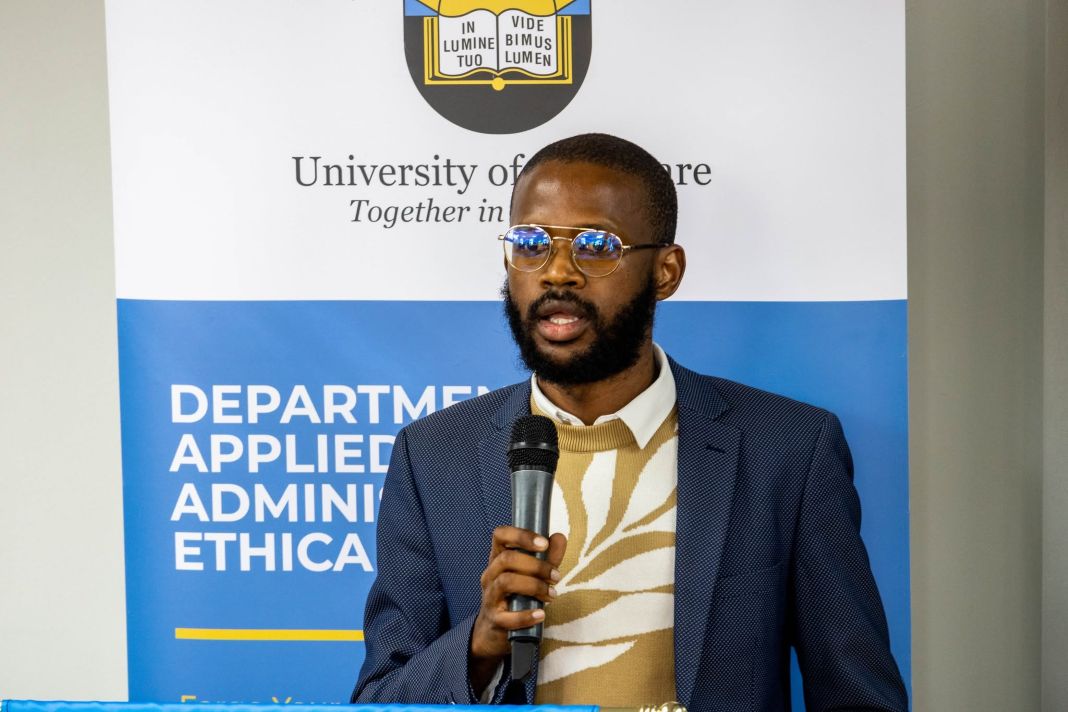
ASPIRE Chief Financial Officer, Mr Xhantilomzi Nyaba, highlighted the agency’s role in using strategic partnerships and development interventions to advance the economic potential of the district.
“ASPIRE implements its mandate through investment attraction and strategic partnerships. Together with Impact Africa, we facilitated stakeholder engagement on oil and gas exploration in the Wild Coast. Through collaboration with AgriSETA and King Hintsa College, we successfully implemented an agricultural learnership programme that saw 60 young learners graduate, ready to start their agri-businesses. We have also strengthened internal controls and supply chain processes, moving ASPIRE from a qualified to an unqualified audit opinion.”
The CFO’s contribution illustrated how institutional strengthening and economic development are mutually reinforcing. Effective governance provides the foundation upon which development agencies can attract investment, build partnerships, implement projects and deliver tangible socio-economic outcomes.
ASPIRE’s participation further demonstrated the importance of collaboration between government, academia, development agencies, private-sector stakeholders and communities in unlocking opportunities within the Amathole District and the broader Eastern Cape.
The conference programme featured powerful keynote addresses that reinforced the importance of strengthening African governance systems.
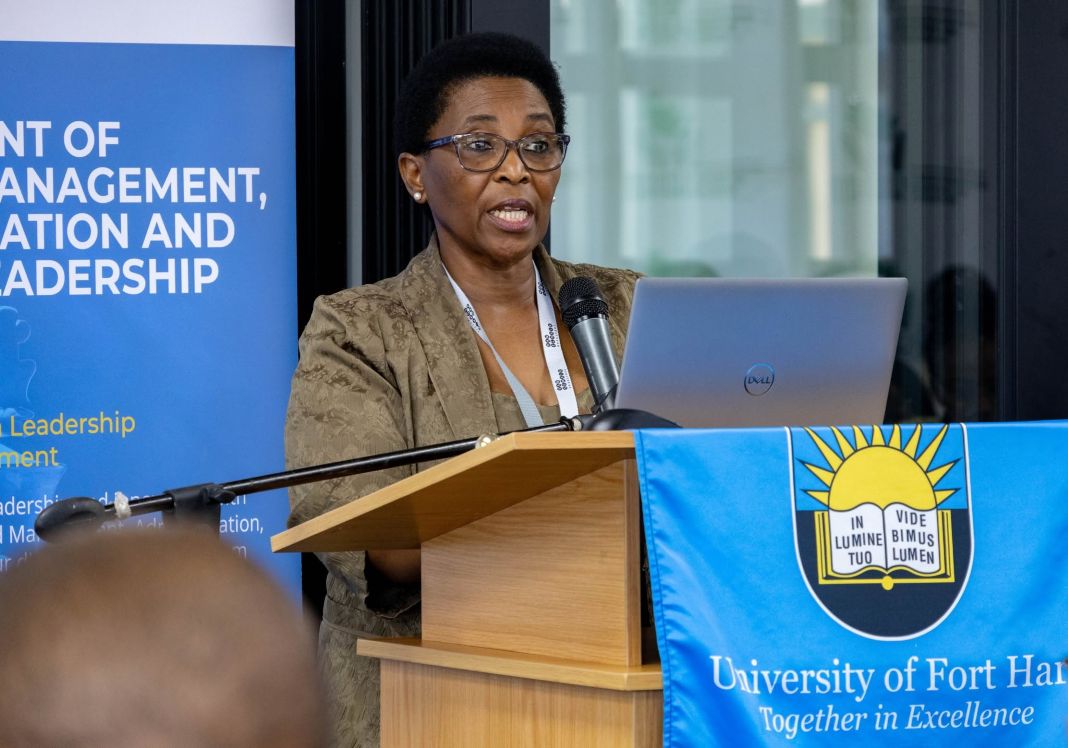
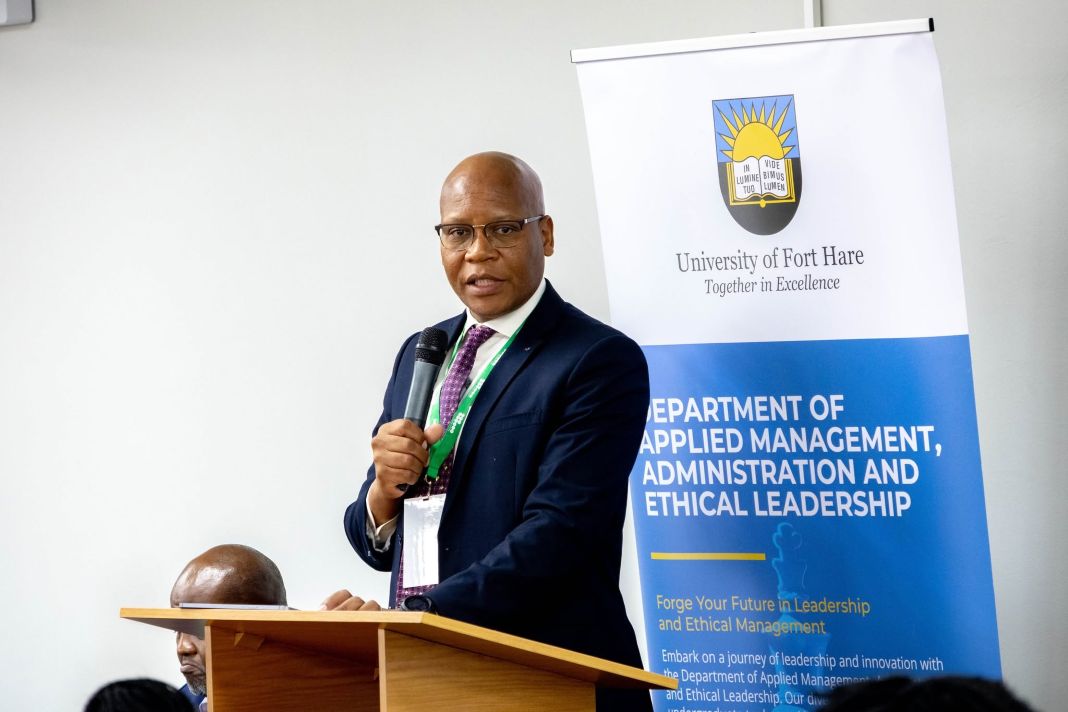
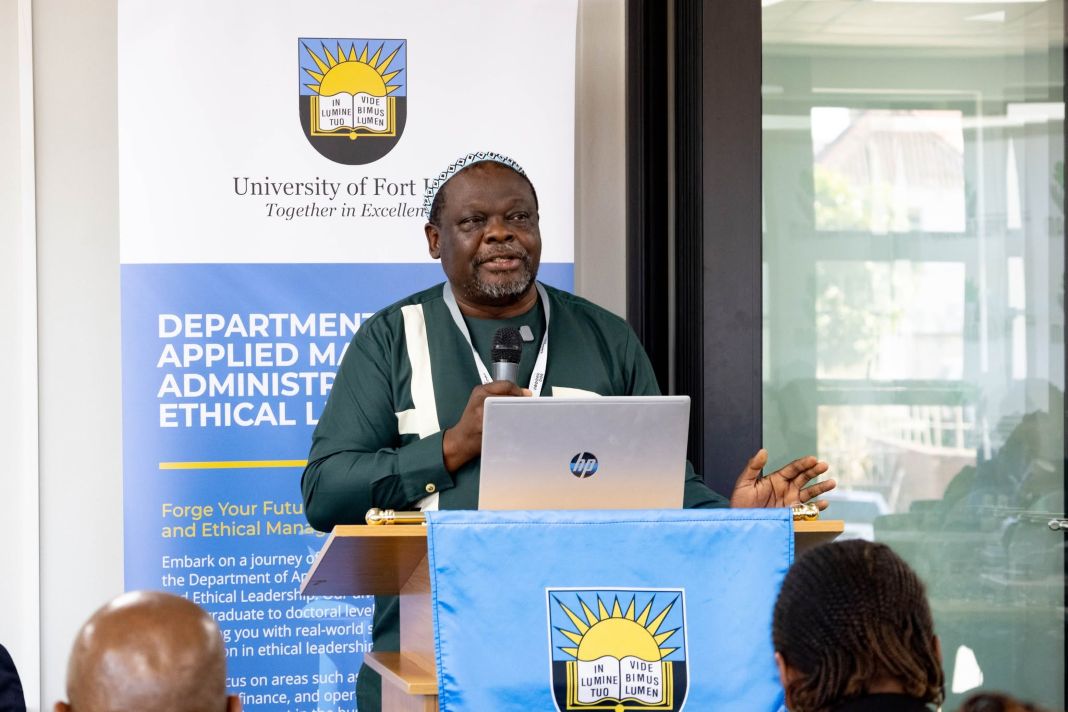
Advocate Melanchton Makobe, Director-General for the National Department of Planning, Monitoring and Evaluation, stressed the importance of developing governance systems that are grounded in African realities: “Africa’s transformation requires governance systems that are homegrown, evidence-based, and rooted in our communities. Strong institutions are essential for effective planning, accountability and sustainable development.”
His remarks stressed the importance of evidence-based decision-making and institutional capability in ensuring that public policies translate into meaningful development outcomes.
MEC for Cooperative Governance and Traditional Affairs (COGTA), Honourable Zolile Williams, emphasised the importance of collaboration across sectors: “Collaboration between government, academia, and development agencies is vital. Together, we must build capable, ethical, and innovative institutions that respond to the realities of our people.”
The call for collaboration emerged as one of the central messages of the conference, recognising that no single institution can address Africa’s complex governance and development challenges in isolation.
The conference attracted participation from a wide range of institutions, reflecting the importance of multi-sectoral collaboration in strengthening governance and public administration.
Among the institutions and stakeholders represented were:
- Buffalo City Metropolitan Municipality and Enoch Mgijima Local Municipality
- Amathole District Municipality
- University of Fort Hare
- Walter Sisulu University
- Nelson Mandela University
- Tshwane University of Technology
- Transnet
- Department of Labour
- Appimate
- Cortex Hub
- Eastern Cape Division of the High Court
- Eastern Cape Provincial Treasury
- National Department of Planning, Monitoring and Evaluation
The diversity of participants created an important platform for cross-sectoral knowledge exchange, professional engagement and the sharing of practical experiences in governance, public administration, economic development, innovation and institutional reform.
Discussions during the conference focused on a range of critical issues, including institutional effectiveness, ethical leadership, public-sector performance, innovation, local economic development, community participation, research and knowledge systems.
Participants interrogated how governance institutions can become more innovative, accountable, inclusive and development-oriented, while also exploring how technology, local knowledge and evidence can be used to improve institutional performance and responsiveness.
The conference recognised that governance should ultimately translate into improved outcomes for citizens. This requires institutions that are capable of planning effectively, implementing policies efficiently, managing public resources responsibly and responding to the changing needs of communities.
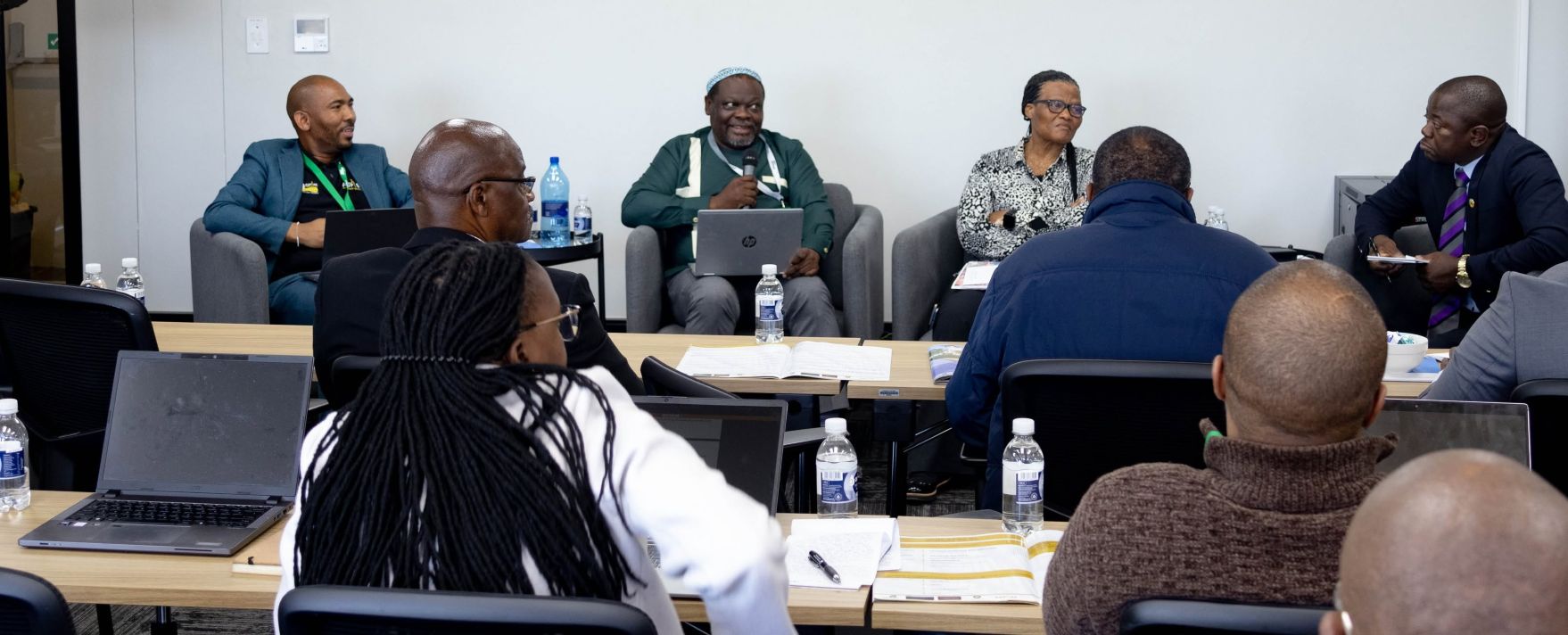
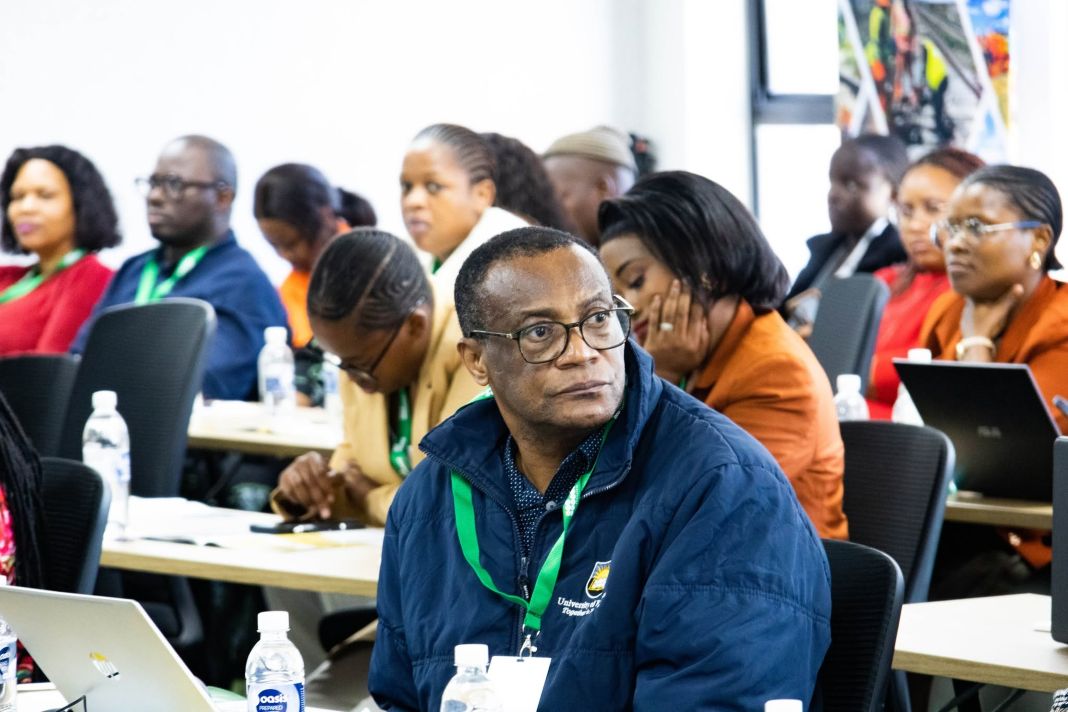
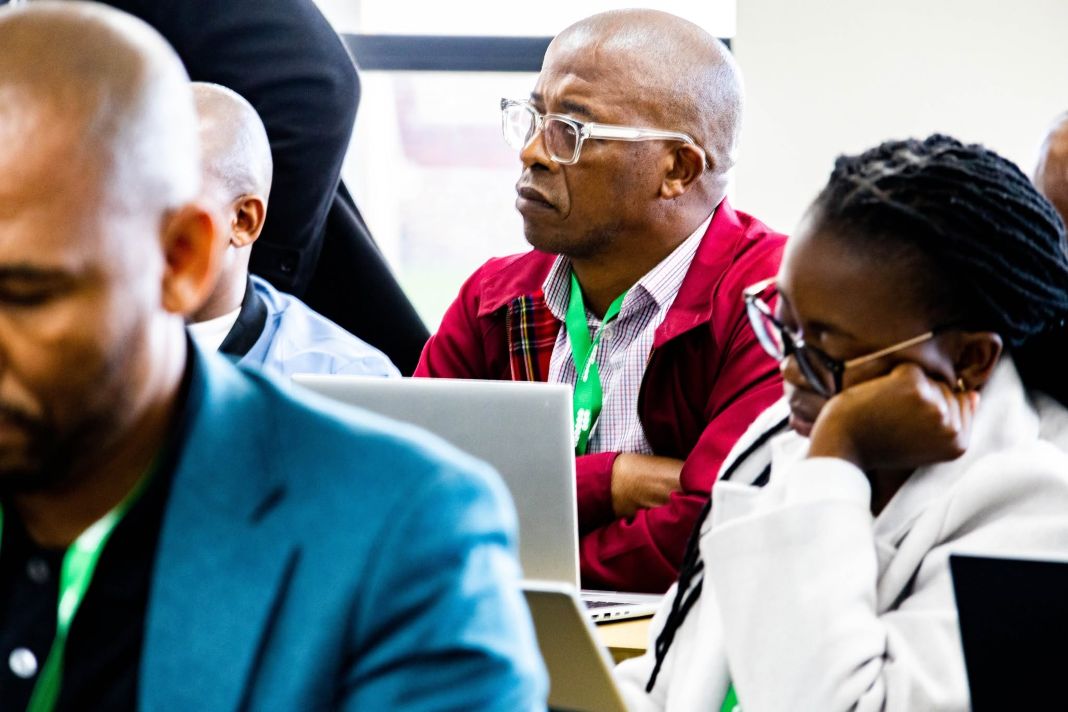
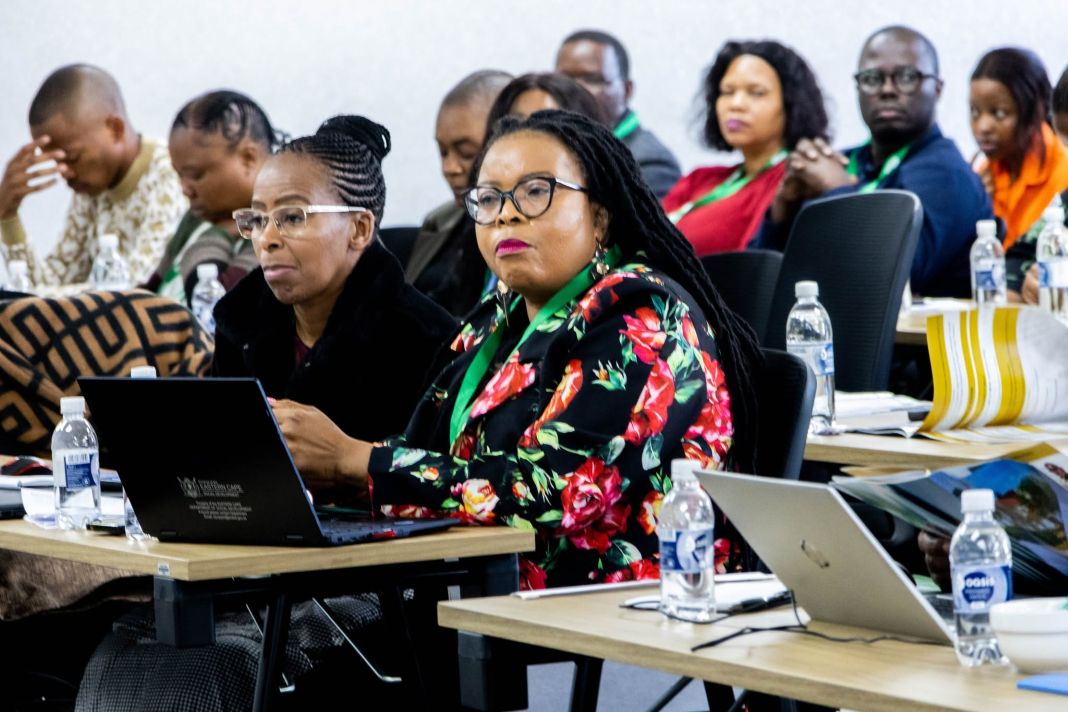
Particular emphasis was placed on strengthening the relationship between research and practice, ensuring that academic knowledge contributes directly to policy development, institutional reform and practical development interventions. The SAAPAM Eastern Cape 1st Open Conference reinforced the principle that Africa’s transformation must be driven by African agency, African knowledge and African solutions, while remaining open to useful international experience.
The conference provided an important space for stakeholders to reflect critically on existing governance models and to explore approaches that are better suited to the continent’s realities. It also demonstrated the value of partnerships between professional associations, universities, government institutions and development agencies such as ASPIRE in creating platforms where ideas can be transformed into practical interventions.
The successful conclusion of the SAAPAM Eastern Cape 1st Open Conference marks an important milestone in strengthening dialogue on governance, public administration and development in the Eastern Cape and beyond.
The conference has reinforced the interconnectedness between good governance, institutional capability and economic development, while highlighting the need for innovative, ethical, accountable and citizen-centred institutions. For SAAPAM Eastern Cape and its partners, the conference is not an end in itself, but a platform for continued collaboration, research, knowledge exchange and practical action.
The central message is clear: Africa’s governance challenges require African solutions — informed by evidence, strengthened through collaboration, grounded in local realities and translated into practical development outcomes.
All photos via ASPIRE / Amathole Economic Development Agency