
Three towns within the Mnquma Local Municipality are located along the N2 highway, offering various opportunities for tourism development. Mnquma municipality is bordered by the Kei River mouth in the south and by the Qora River mouth in the north and has a shoreline of approximately 40.3 km, which provides for opportunities to invest in the Oceans Economy.
This coastline is part of the Eastern Cape’s famous Wild Coast, which has an abundance of natural beauty and -resources that should be developed in a sustainable and equitable manner.
The municipality strives to develop tourism destinations in collaboration with investors where all communities will have access to high levels of transportation services, roads and socio-economic opportunities.
The Eastern Cape is a stunning part of South Africa, known for its beaches, mountains, wildlife reserves, and historical sites. This makes it a major tourist destination, which can benefit businesses in the hospitality, recreation, and retail sectors.
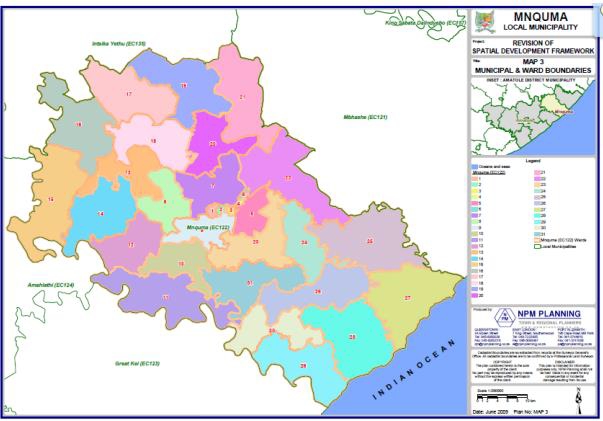
The two large rivers and 40 km stretch of coastline that forms part of Mnquma Municipality opens up significant blue economy opportunities that can be unlocked, ranging from aquaculture to fishing, boating, recreational water-based tourism activities and more.
In the region surrounding the municipality, the N2 Wild Coast development as well as the Eastern Seaboard development will have an impact on the future economic activity in and around the Mnquma municipal area.
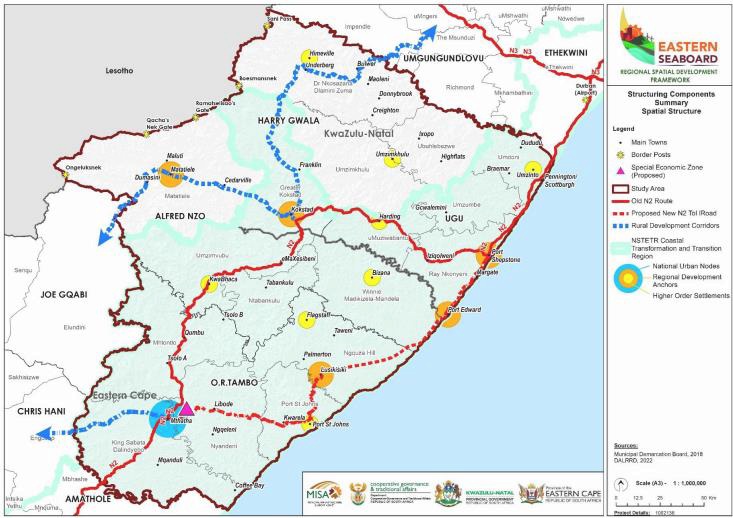
N2 Wild Coast Development: Mquma as a gateway
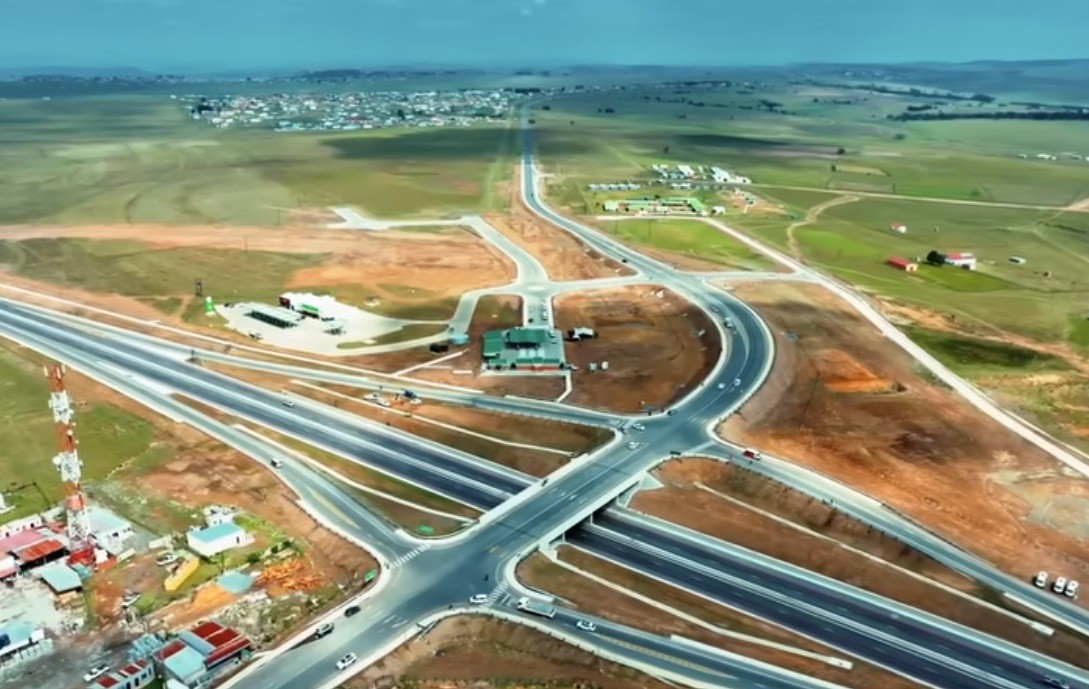
The current development of the N2 Wild Coast route is underway and holds opportunities for logistical and transit-based economic development.
Mnquma Municipality is situated at the south-western entrance of this major development and is poised to harness this opportunity in future due to increased traffic flows.
The change in circumstances enables the municipality to pivot away from the urbanisation and heavy industry trend desired by many other economies in the region, towards agriculture, adventure tourism, cultural development and rural-centric economic policy.
Public and private sector projects
Some current and planned high-impact projects in the region include:
- The Ndabakazi Intermodal Interchange (a SANRAL project).
- The N2 Bypass near Eskom.
- BIKA commercial hub (to open phase 2 which will see the development of a hotel and Spar-Tops).
- Industrial Parks: The municipality has been identified to benefit from the Critical Infrastructure Programme (Industrial Park Revitalization, 1st Phase) implemented by DBSA, OTP, Aspire and ECDC.
- Commercial sites to be advertised with two township shopping centres aimed at revitalising the township economy.
- The area of the Country Club (a heritage site), linked to Gcuwa Dam earmarked for development with a focus on hotel and restaurant development.
- Bawa Falls (a natural heritage site): No plans for development, but the municipality considers the development of outdoor activities and hiking trails in the area.
Contact Mnquma Municipality
Interested parties are invited to get in touch with the Mnquma Local Municipality by sending a brief message here:
 Municipal investment profiling: A digital approach
In 2023, the South African Local Government Association (SALGA introduced the “Investment Profile Template Guide for Municipalities in South Africa” to help municipalities present their investment potential. Research showed only 15% of South African municipalities had investment profiles at the time.
However, limited financial and human resources have hindered digital promotion and investment attraction. SALGA has launched a programme to assist municipalities with digital initiatives, and the following municipalities are included in the first phase:
- City of Ekurhuleni (Gauteng)
- West Coast District Municipality (Western Cape)
- Mnquma Local Municipality (Eastern Cape)
- Matjhabeng Local Municipality (Free State)
The main objective of this project is to provide municipalities with a platform to market themselves as investment destinations to both domestic and foreign investors using an already existing platform and access to the Global Africa Network audience.