
23 May 2024 was a red-letter day for economic development in the Northern Cape Province. The approval by national cabinet of the application for the Namakwa Special Economic Zone to be officially designated as such was welcomed by the Premier of the Northern Cape, Dr Zamani Saul, as a signal of “the dawn of a new era of industrial and economic prosperity”.
Not only will the Namakwa SEZ (NAMSEZ) help to unlock the province’s economic potential, said Dr Saul, but it would be “the cornerstone of the Northern Cape Industrial Corridor”. The Industrial Corridor is an ambitious plan to link the province’s huge mineral resources near Kathu (iron ore) and Hotazel (manganese) with new port facilities and a green-hydrogen plant at Boegoebaai in the west.
The corridor follows the path of the N14 highway and include smelters and other beneficiation facilities within SEZs and industrial parks along an east-west axis. Plans to establish industrial parks at Kathu and Upington are well advanced to support the spatial thinking which underpins the Industrial Corridor strategy.
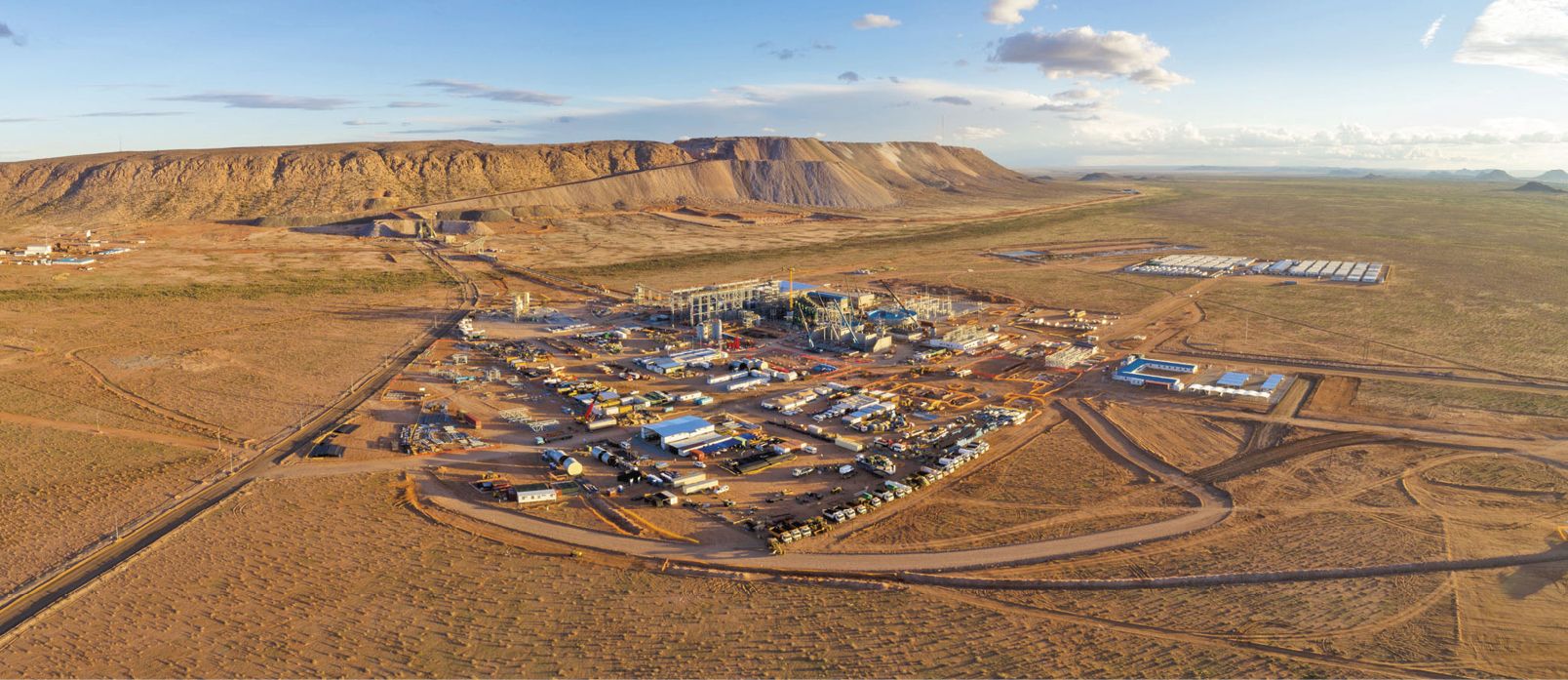
The NAMSEZ, with significant first investments being made by “anchor investments” from Vedanta Zinc International and Frontier Rare Earths, would, according to the Premier, “enable us to harness our mining throughput, facilitating both upstream and downstream integration and creating a robust, diversified economic ecosystem”.
The designation of the NAMSEZ marks the 12th such approval by the Department of Trade, Industry and Competition (the dtic), the implementing agent of South Africa’s SEZ programme. Of the 12, nine of the SEZs are operational, with one SEZ each in Limpopo and Mpumalanga sharing with NAMSEZ the status of being officially designated but not yet functioning.
The Coega SEZ in the Eastern Cape, regarded as one of the country’s more successful SEZs, has applied to expand its footprint in order to build a vaccine and pharmaceutical zone.
A further four proposals are being considered from four provinces, including from the North West which is currently the only province that does not have a designated SEZ. The Bojanala SEZ would have a focus on the platinum-mining industry and associated beneficiation, manufacturing and services.
Programme goals
The Special Economic Zone (SEZ) Programme aims to bolster export-led growth, increase investment into the country and create new jobs. There are five ways through which these goals are achieved:
- Investment attraction: Custom-control areas, incentives and secure operating environments are elements designed to attract investors.
- Job creation: By facilitating new investments and supporting expansion, new jobs, particularly in manufacturing, are created.
- Infrastructure: SEZs develop new and improved infrastructure.
- Skills: SEZs can support education and vocational training, particularly in technology.
- Export promotion: Favourable terms and conditions for manufacturers aiming at international markets make for a good investment proposition. This supports the goal of diversifying the national economy.
At the end of Q2 2024, the dtic reported that the nine operational SEZs had garnered a cumulative investment value of R30.9-billion and created a total of 27 021 permanent employment opportunities.
Beyond designations
Policy related to SEZs continues to evolve. In the decade to 2010, four Industrial Development Zones (IDZs) were proclaimed at Coega (Gqeberha), East London, Richards Bay and OR Tambo International Airport (Gauteng). The passing of the SEZ Act No 16 of 2014 shifted the policy focus and by 2019 a total of nine SEZs had been proclaimed.
In the same year, national government tasked the dtic with playing a more active role in the “planning, development and management of SEZs” and all three spheres of government were to be involved in planning. Municipalities and provincial authorities would be asked to make budget commitments for bulk infrastructure and initial operational funding while support for the development of top structure would be forthcoming from the dtic.
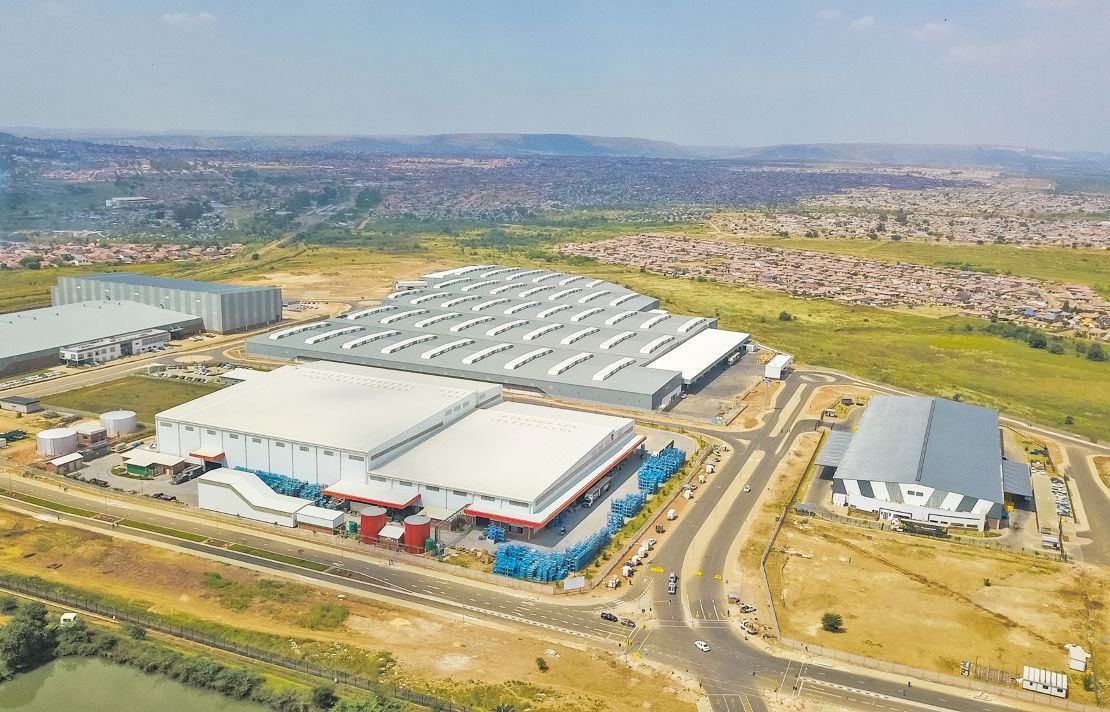
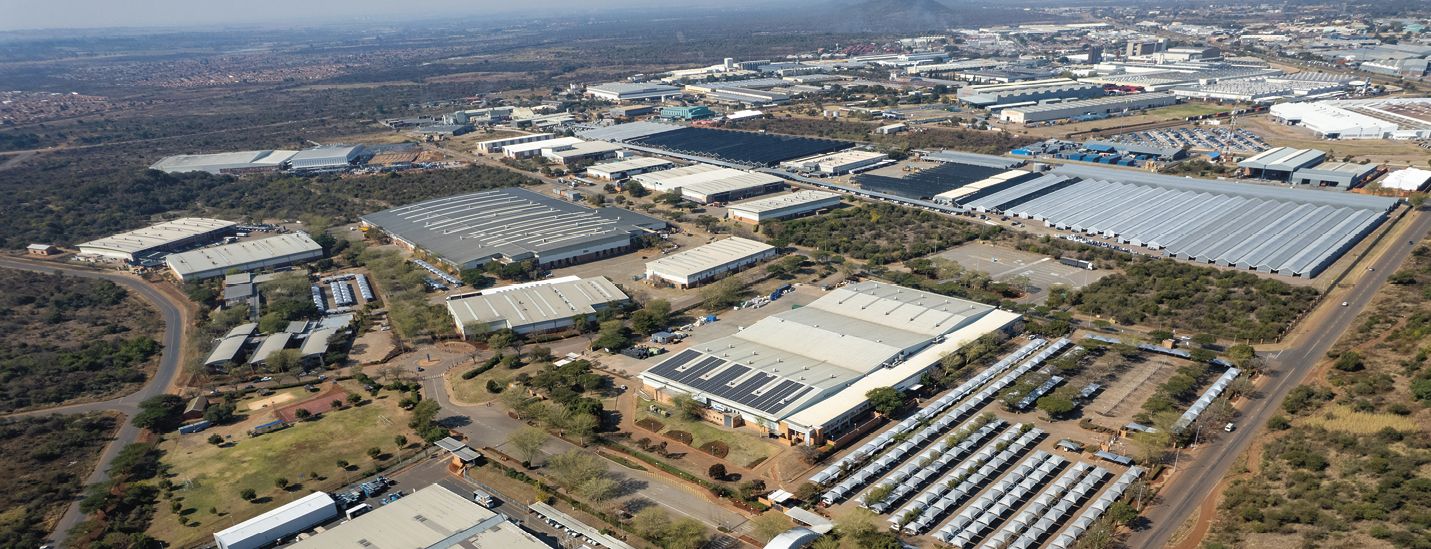
This approach was implemented for the first time in the rolling out of the Tshwane Automotive (TASEZ), which has become of the country’s most successful SEZs.
In addition, a National SEZ Programme Management Unit was established, located at the Industrial Development Corporation (IDC). This means that new applicants have a ready resource to call on for advice and support.
In the course of 2025, a series of meetings and consultations were held as the dtic sought input on a draft Spatial Industrial Development Strategy (SIDS). The SIDS, according to the dtic, “proposes a reimagined model for SEZs, industrial parks and township economic development”.
In explaining why a group of influential CEOs had been invited to attend a meeting in Johannesburg in June, the Deputy Minister of Trade, Industry and Competition, Zuko Godlimpi, said, “This CEOs Forum is not just a meeting of minds; it is a strategic platform to ensure our Spatial Industrial Development Strategy is responsive, inclusive and grounded in the lived realities of business and communities across the country. We want a framework that reflects the voice of industry and responds to regional economic disparities through practical and impactful interventions.”
Godlimpi stressed that, “Special Economic Zones remain one of the dtic’s flagship programmes to catalyse investment, create decent jobs and strengthen export competitiveness.” He noted that the refined strategy aimed to position SEZs “not just as isolated economic pockets”, but rather as integrated drivers of regional and national transformation.
Speaking at the event, SEZ Special Advisor at the dtic, Maoto Molefane, emphasised that a shift in emphasis had taken place when he said, “We are no longer in the business of issuing SEZ licences. Our job is not to designate for the sake of designating. Our job is to industrialise this country.” He added, “The designation of an SEZ should find us already on the ground doing the work to support investments.”
Molefane proposed that a strategic rethink of the SEZ framework was needed, based on lessons from the programme’s trajectory and on the material conditions faced by investors and communities.
The SEZ PMU was cited as an example of a new way of doing things in the new dispensation around SEZs. Apart from providing the technical support referred to above, it would also ensure greater national oversight, assist in the building of essential infrastructure for the creation of a new SEZ and make sure that firm investment commitments were made before any new designations were proclaimed.
Molefane referenced a key element of the proposed SIDS, “The draft strategy also responds to spatial and economic disparities by prioritising geographic areas with industrial potential, even those without designated SEZs. This ensures that township economies, underutilised industrial parks and marginalised municipalities are not left behind in the national effort to reindustrialise. There is a need for coherence and collaboration across all levels of government to deliver impactful, place-based interventions.”
According to a record of the meeting issued by the dtic, the forum noted the good progress made by zones such Coega, East London, Dube TradePort and the Tshwane Automotive SEZ, while “acknowledging the ongoing work required to integrate black industrialists, link small businesses and align SEZs with broader regional development”.
Special Economic Zones in South Africa
Special Economic Zones are located in areas with particular resources and historical sectoral strengths. The relevant SEZs are geared to serve, support and encourage development of those resources and sectors across South Africa.
There are currently 12 designated Special Economic Zones in eight provinces. Nine are approved and functioning and three have been approved and are in various states of preparation. A further four (in the North West, Northern Cape, Limpopo and Gauteng) are in the process of applying to be recognised as SEZs.
In addition, Coega SEZ in the Eastern Cape is in the process of applying to expand to accommodate a dedicated vaccine and pharmaceutical facility.
There are ongoing developments throughout the country related to projects that may become SEZs. These include a plan to establish a clothing and textiles hub near Ladysmith in KwaZulu-Natal (to become the uThukela Special Economic Zone). Work on infrastructure for the Kathu Industrial Park is ongoing in the Northern Cape.
| Province | Name | SEZ status | Focus |
|---|---|---|---|
| Eastern Cape | East London IDZ (ELIDZ) | Operational | Automotive, components, agro-processing, ICT, renewable energy, aquaculture. |
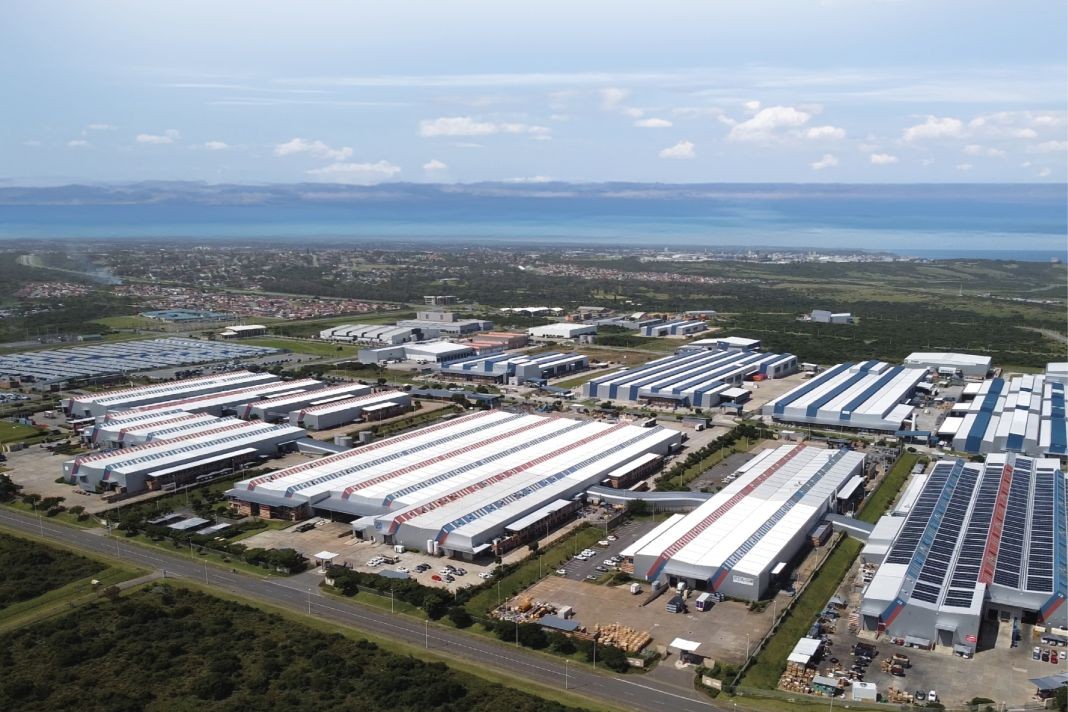
| Eastern Cape | Coega SEZ | Operational. Application to expand pending | Automotive, agro-processing, aquaculture, energy, metals, logistics, BPO, pharmaceuticals. |
| Free State | Maluti-A-Phofung (MAPSEZ) | Operational | Located on N3 highway; logistics, manufacturing, agro-processing, warehousing. |
| Gauteng | OR Tambo International Airport SEZ (ORTIA SEZ) | Operational | Beneficiation of precious metals and minerals sector, light, high-margin, export-oriented manufacturing, food, logistics. |
| Gauteng | Tshwane Automotive SEZ (TASEZ) | Operational | Automotive, automotive components, manufacturing, export manufacturing. |
| Gauteng | Vaal SEZ | Designation pending | Logistics, agriculture and agro-processing, tourism, alternate energy (solar, battery storage, hydrogen). |
| KwaZulu-Natal | Dube TradePort | Operational | Industry, cargo-handling and logistics (at King Shaka International Airport), agro-processing, manufacturing including electronics. |
| KwaZulu-Natal | Richards Bay IDZ (RBIDZ) | Operational | Export-oriented manufacturing, metals beneficiation, agro-processing, marine, energy, oil and gas, renewable energy. |
| Limpopo | Musina Makhado SEZ (MMSEZ) | Designation approved | Mining, manufacturing, agro-processing, logistics. |
| Limpopo | Fetakgomo-Tubatse SEZ (FTSEZ) | Designation approved | Green energy, hydrogen, mining inputs, mineral beneficiation, agro-processing, logistics. |
| Mpumalanga | Nkomazi SEZ | Designation approved | Strategic location on Maputo Corridor, logistics, agro-processing, manufacturing, nutraceuticals, fertiliser products. |
| Northern Cape | Namakwa SEZ | Designation approved in 2024 | Downstream activities from proposed zinc smelter, mineral beneficiation, construction, green energy, petrochemicals, transport. |
| Northern Cape | Upington SEZ | Designation pending | Located at Upington Airport, aviation, maintenance, repair and overhauling of aircraft, agro-processing, renewable energy and components, logistics and warehousing. |
| North West | Bojanala SEZ | Designation pending | Mineral beneficiation (platinum), manufacturing, mining equipment, agro-processing, renewable energy. |
| Western Cape | Atlantis SEZ | Operational | Green tech, including automotive components and components for wind turbines, solar panels and green building materials. |
| Western Cape | Saldanha Bay IDZ | Operational | Oil, gas and marine repair, engineering and logistics services complex, fabrication. |