
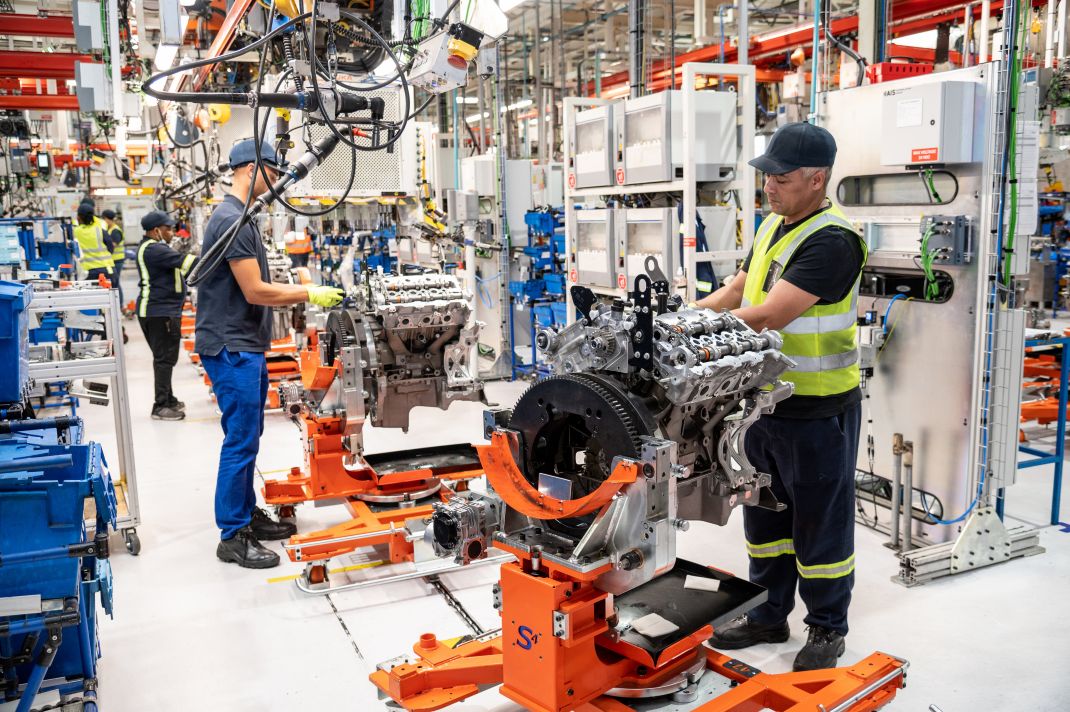
South Africa’s manufacturing and engineering sectors are changing rapidly as new technologies, energy systems and labour-market needs reshape the industrial landscape. The Manufacturing, Engineering and Related Services Sector Education and Training Authority (the merSETA) continues to play a central role in this transition by ensuring that workers, young people and employers have the support and skills required to succeed in the future and compete in a modern industrial economy.
 Across its six chambers, the merSETA funds training that strengthens productivity and builds new pathways into decent work. These chambers include Metals and Engineering, Automotive Manufacturing and Assembly, Automotive Components Manufacturing, Motor Retail and Aftermarket, New Tyre Manufacturing and Plastics Manufacturing.
Each year, thousands of learners participate in occupational programmes in priority areas such as welding, toolmaking, automotive diagnostics, mechatronics and polymer processing. These programmes help establish a reliable pipeline of skilled workers while opening valuable opportunities for young people to enter the labour market.
Over the past five years, the organisation has increased its reach significantly. More than 123 000 learners have been supported through apprenticeships, learnerships, internships, bursaries and occupational qualifications. This has created clear routes into employment, artisan registration and further study for many participants.
A further 20 000 employed workers have been upskilled in areas that support industrial performance and technological adaptation, helping companies remain competitive in a fast-evolving economy.
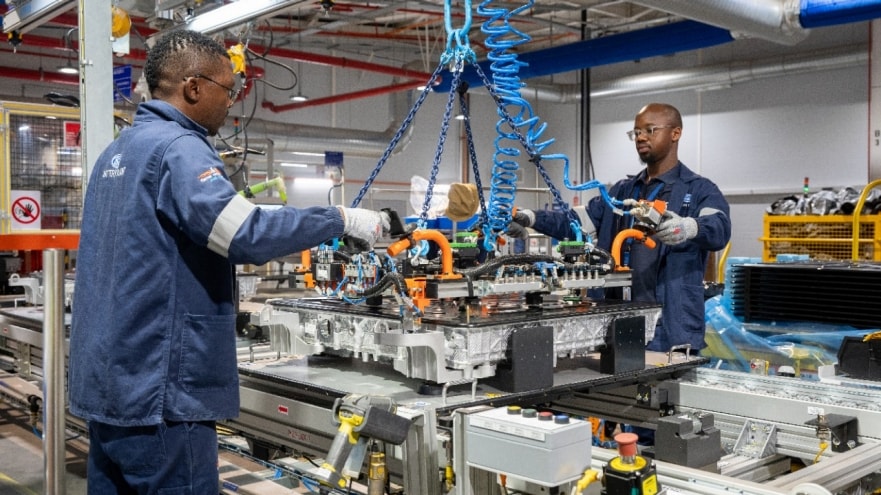
Partnerships lie at the heart of the merSETA’s approach to skills development and strategic focus. Collaborative work with employers, TVET colleges, universities and government departments ensures that training responds directly to industry needs. Recent examples include a training partnership with Hesto Automotive in KwaZulu-Natal, which is strengthening engineering, electronics and manufacturing capacity.
Furthermore, collaboration with the National Youth Development Agency (NYDA) has enabled hundreds of young people to access training in priority fields. A long-standing partnership with the Department of Defence has expanded apprenticeship opportunities and recognition for technically experienced personnel. Working with the Small Enterprise Development and Finance Agency (SEDFA) is preparing artisans for solar and electrical trades, which are increasingly important to South Africa’s transition to cleaner energy.
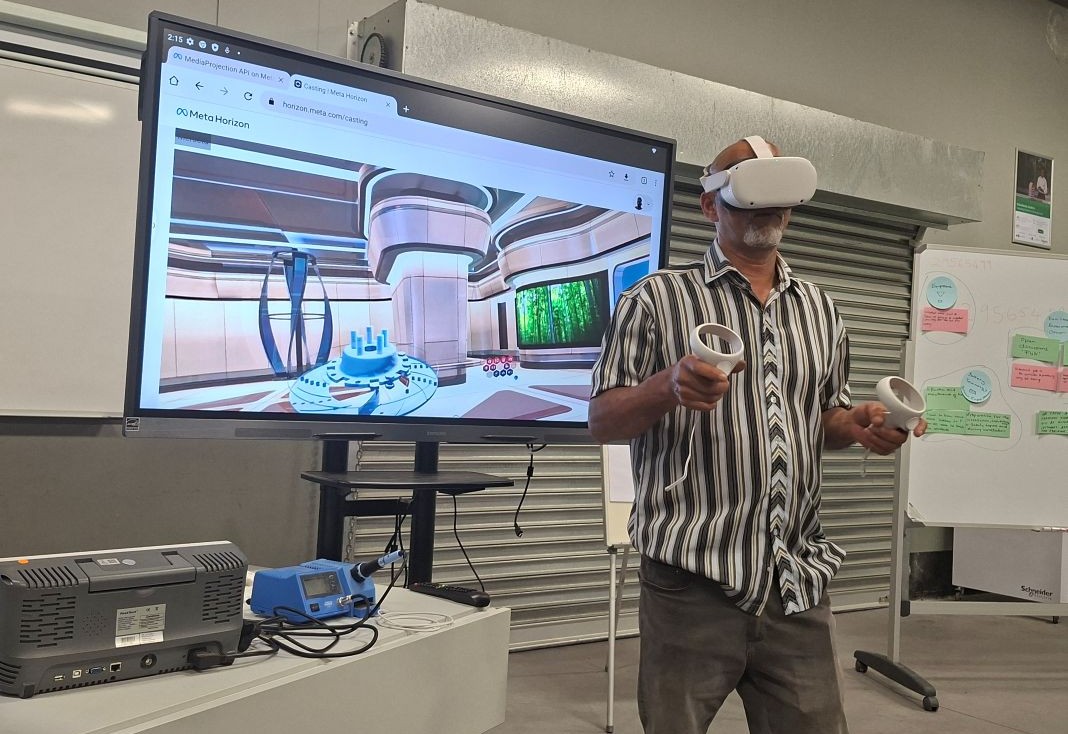
Innovation is another area where the merSETA is making meaningful progress. Through the TVET 4.0 programme, the merSETA has taken a step forward to assist colleges in adopting modern training technologies. Virtual simulations and extended reality tools are used to expose students to advanced manufacturing systems and automotive technologies in a safe and accessible way. Research collaborations with universities continue to inform curriculum development and future skills planning.
The merSETA has also aligned its programmes with South Africa’s Just Energy Transition by expanding training in renewable-energy technologies, electric mobility, hydrogen-related occupations and green manufacturing processes. The aim is to support workers in vulnerable sectors and create opportunities for meaningful participation in emerging industries.
A commitment to inclusion guides all these efforts. Women, youth and persons with disabilities are receiving targeted support that widens access to high-value training and promotes equity within the labour market.
The merSETA remains focused on building a workforce that is skilled, adaptable and ready for the future of manufacturing and engineering in South Africa.
Visit the merSETA website at https://www.merseta.org.za
Bridging the gap between education, training and the labour market
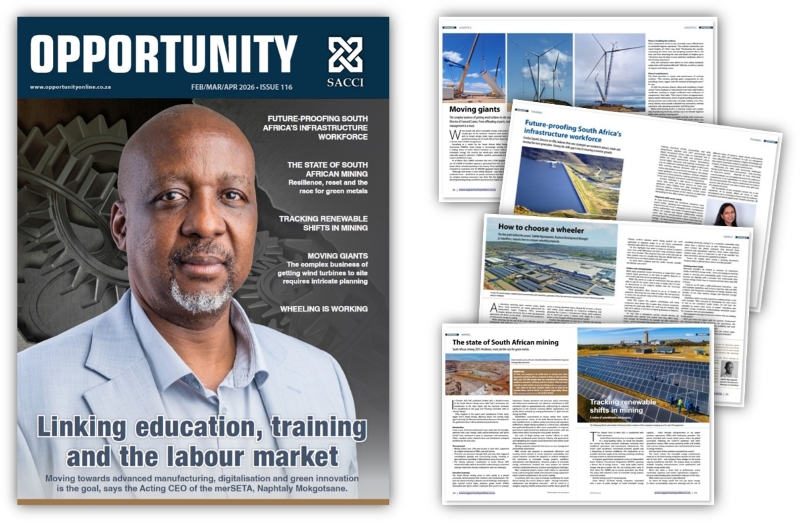
The Manufacturing, Engineering and Related Services Sector Education and Training Authority (the merSETA) is assisting South Africa’s transition towards advanced manufacturing, digitalisation and green innovation.
In an interview with Acting CEO of the merSETA, Naphtaly Mokgotsane, he says that more needs to be done to deepen collaboration with academia, based on data-driven planning and accountability.
Full interview in Opportunity Magazine, Issue 116. Read it here.