

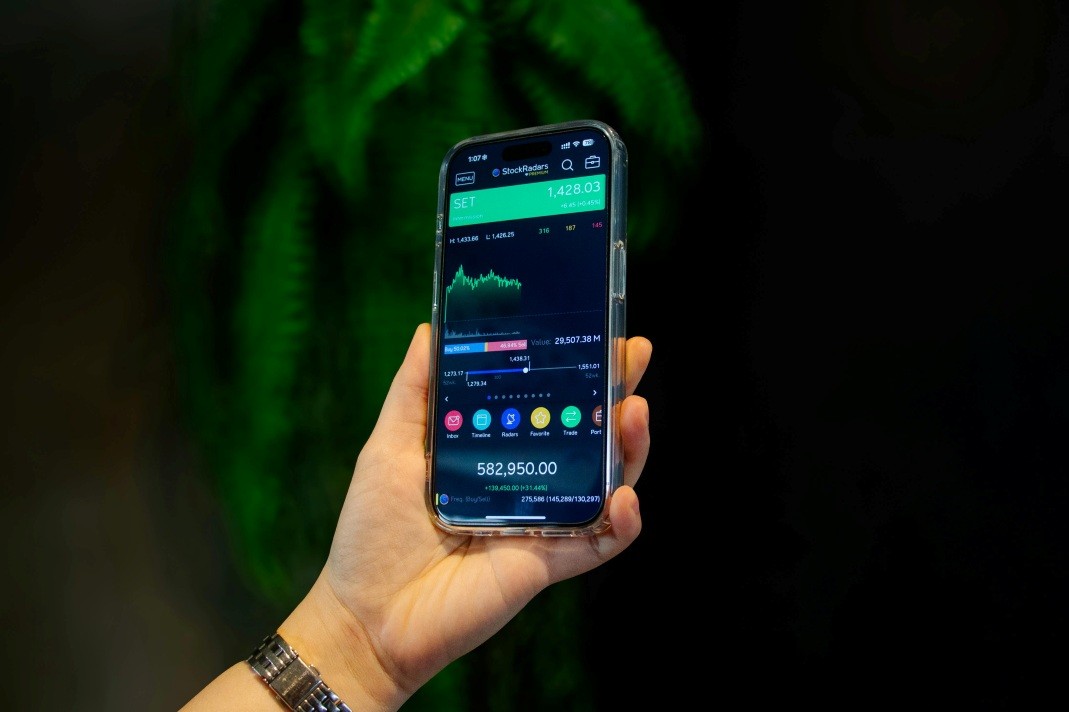
A decade ago, access to markets often started with paperwork, branch visits, and minimum balances that filtered out most first-time investors. Today, the entry point fits in a pocket. That shift sounds simple, yet it changes who participates, how decisions get made, and what “investing” looks like across the continent.
Mobile-first trading platforms have opened doors for younger investors and first-time participants. They have also raised the bar for discipline, platform selection, and risk control. Access expanded quickly. Skill still decides outcomes.
The phone became the brokerage
The most important change is the default device. When investing moves to a smartphone, it stops feeling like a formal event. It becomes a habit that competes with social apps, messaging, and daily spending decisions. That proximity pulls new investors into markets that once felt distant.
Mobile-first platforms also reduce friction in practical ways. Account onboarding often finishes faster than traditional processes. Funding options tend to match local rails. Market monitoring becomes continuous, which suits active traders and long-term investors who prefer frequent check-ins.
This access has a cultural effect too. Communities form around shared screenshots, strategy threads, and quick reactions to news. That social layer can help beginners learn the language of markets faster. It can also amplify bad habits, especially when people copy trades or chase short-term moves without a plan.
Access scales fast, education must keep pace
Democratized access improves participation, yet it also shifts the burden onto the investor. Markets reward preparation, and mobile platforms make it easy to act before thinking. Many first-time investors start with a simple idea: “Buy something and watch it grow.” The market rarely respects simple narratives for long.
Experienced investors recognize the gap. The toolset expanded, yet the typical investor workflow still needs structure. That means defined risk, clear time horizons, and repeatable rules for entries and exits. Without that, faster access turns into faster mistakes.
Two behaviors stand out across mobile-first trading communities:
- Short feedback loops drive overtrading. Constant notifications create pressure to do something, even when the best action is to wait.
- Convenience blurs the line between investing and impulse. A one-tap trade can feel like a quick decision, even when it carries long-term consequences.
- Copying replaces understanding. Social features help discovery, yet they can encourage mimicry without context.
- Volatility becomes entertainment. Fast markets look exciting on a chart, and that excitement can override risk limits.
The opportunity sits on the other side of this learning curve. When investors pair access with process, they can build strategies that suit local realities, including income patterns, liquidity needs, and currency considerations.
Why reliable platforms matter in the middle of this shift
As participation grows, platform quality becomes a central part of investor protection. A reliable platform supports execution, transparency, and account controls. It also sets the tone for how investors behave, especially those still building instincts.
A practical example shows why this matters. A trader might plan to scale into a position during a liquid session, set a stop level, and track margin usage closely. If the platform freezes during volatility, re-quotes frequently, or makes fees hard to understand, the trading plan collapses. That is not a small inconvenience. It is a risk in disguise.
Online trading South Africa has a large base of market participants and a strong culture of trading education. Many traders also evaluate platforms with a professional lens, focusing on execution quality, clear pricing, and tools that support risk control. The same standards apply across Africa, even when local market access and funding methods differ.
Platform selection should follow the same logic used for any investment decision. Due diligence first, convenience second. Two checks provide an immediate signal:
- Operational clarity: fees, spreads, and margin rules should read clearly, without hidden complexity.
- Control features: risk tools, account protections, and reliable order handling should work consistently under stress.
A platform cannot replace a strategy. It can either support discipline or encourage chaos.
How younger investors are building portfolios differently
Mobile-first access changes portfolio building in two key ways. First, investors experiment earlier. They test small positions, explore more asset classes, and learn by doing. Second, they adapt strategies to cashflow reality. Many investors manage irregular income, so they prefer flexible sizing and frequent adjustments.
This has created a more modular approach to investing. Instead of building one large, long-term position, many investors run a “core plus satellite” style. The core might track broad market exposure. The satellite layer might include short-term trades, hedges, or currency-aware positions, depending on local needs.
Risk management becomes the separating line. Experienced investors focus less on “what to buy” and more on “how to survive bad sequences.” That means position sizing rules, predefined exit logic, and a clear view of leverage. It also means accepting that skipping a trade is a valid decision, even when the app makes trading feel effortless.
Another shift shows up in information flow. Investors increasingly learn from creators, communities, and platform education hubs. That can improve market literacy fast. It can also concentrate everyone into the same crowded ideas, which increases correlation risk during stressed markets.
What this reshaping means for the next wave of investing
Online trading across Africa will keep evolving toward better access, smoother funding, and wider product menus. The more interesting change will come from investor maturity. As the market base becomes more experienced, demand will move toward better tools, stronger transparency, and education that goes beyond basic definitions.
For investors who already know the space, the edge comes from tightening the workflow. A clear plan, a reliable platform, and disciplined risk control turn access into durable participation. Mobile-first trading opened the gate. Long-term success will come from how investors use what sits on the other side.